Unlocking the Future: E-Wallet Software Development in Australia
The Australian financial landscape is evolving, and e-wallets are at the forefront of this transformation. As technology advances, businesses are increasingly turning to e-wallet software development to streamline transactions, enhance customer experiences, and stay competitive. With the convenience of digital payments becoming a consumer expectation, developing an e-wallet application has never been more critical.
Why E-Wallets Are Essential for Businesses
In today’s fast-paced environment, convenience is key. E-wallets allow users to make quick transactions without the need for physical cash or cards. This shift from traditional payment methods to digital wallets not only provides enhanced security but also improves the speed of transactions. Businesses that implement e-wallet solutions can benefit from:
- Increased Customer Loyalty: Providing an easy and efficient payment option encourages repeat business.
- Enhanced Data Insights: E-wallets allow businesses to collect valuable data on customer purchasing habits.
- Cost Efficiency: Reduced transaction fees compared to traditional banking methods.
The Rise of E-Wallet Software Development in Australia
Australia is witnessing a rapid adoption of digital payment technologies, fueled by consumer demand for seamless transactions. In response, numerous e-wallet software development companies are emerging, each offering unique solutions tailored to varying business needs. The increasing number of fintech startups in Australia exemplifies this trend, showcasing the potential of the e-wallet market.
Key Features of a Successful E-Wallet
To succeed in the highly competitive e-wallet space, developers must incorporate a series of essential features:
1. User-Friendly Interface
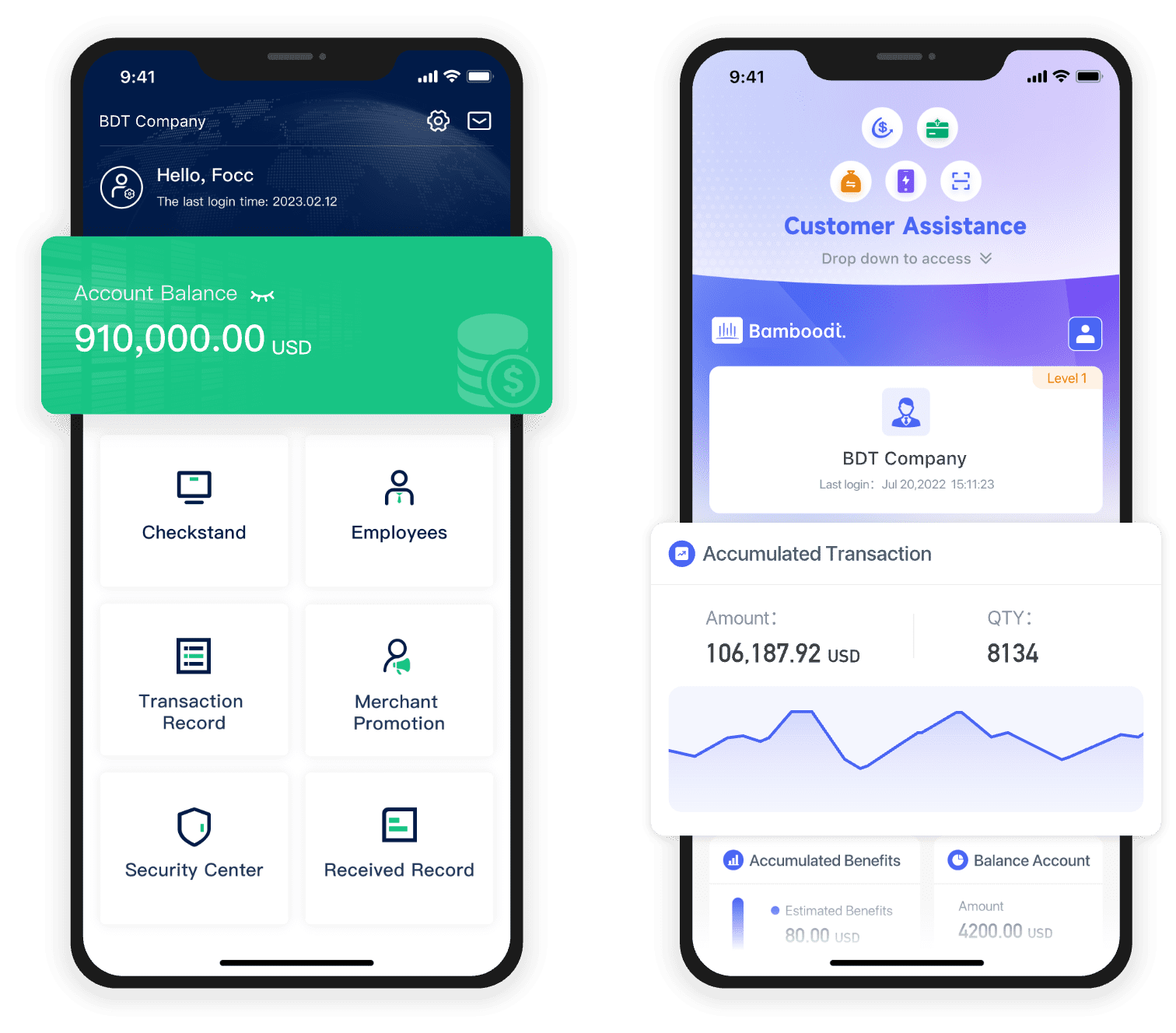
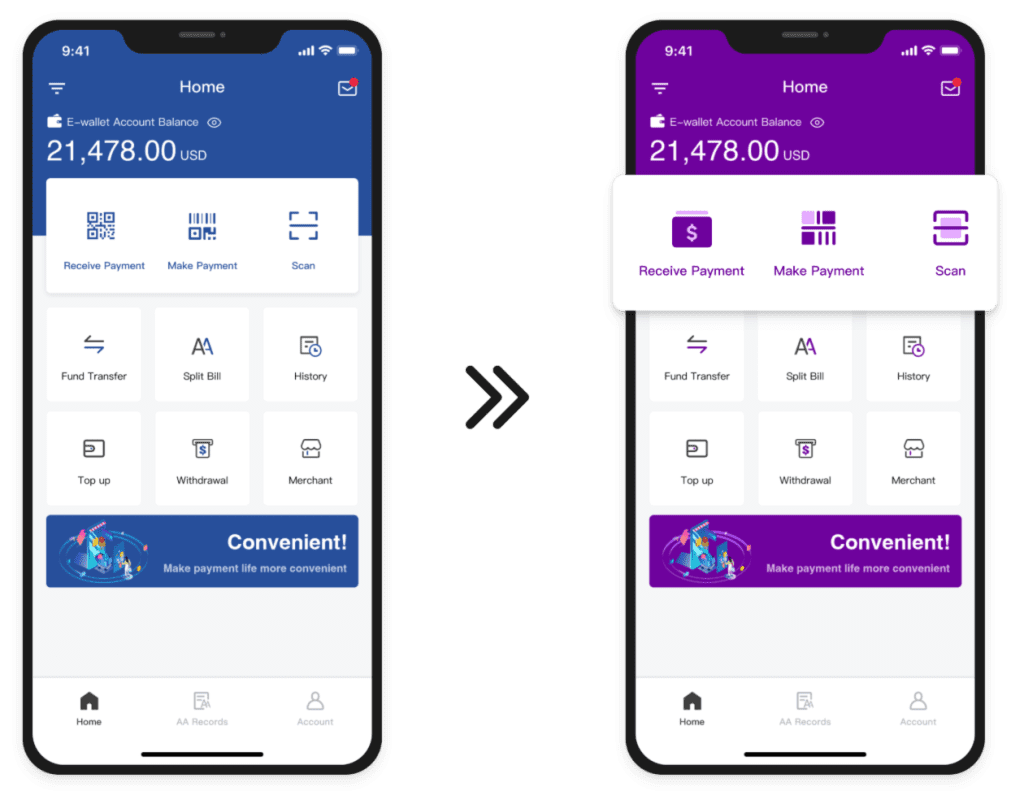
The interface must be intuitive and easy to navigate. A well-designed user experience ensures that customers can effortlessly manage their transactions.
2. Multi-Currency Support
For businesses serving diverse demographics, supporting multiple currencies can significantly broaden the target market and facilitate international transactions.
3. Security Measures
With the rise of cyber threats, incorporating robust security features like two-factor authentication and encryption is paramount. Users need to feel assured that their financial information is safe.
4. Integration with Other Financial Services
Interconnectivity with banks, traditional payment gateways, and other financial apps can enhance the wallet’s functionality and convenience.
5. Loyalty and Rewards Programs
Incentivizing usage through rewards, discounts, and offers can improve customer retention and engagement.
Steps to Develop an E-Wallet Application
The development process for an e-wallet involves several key stages:
1. Market Research and Planning
Understanding the target audience, analyzing competitors, and identifying market gaps form the foundation of a successful e-wallet application.
2. Choosing Development Platforms
The choice between native app development (iOS/Android) and cross-platform solutions depends on the target audience and budget.
3. Designing the User Interface
Creating wireframes that illustrate the user journey allows developers and stakeholders to visualize functionality and design.
4. Developing the Backend
This includes setting up databases, payment processing systems, and ensuring security protocols are in place.
5. Testing the Application
Implementing rigorous testing protocols helps identify and rectify bugs, ultimately leading to a superior user experience at launch.
6. Launch and Marketing
A strategic launch plan ensures that the product reaches its intended audience and garners attention amidst the competition.
Challenges in E-Wallet Development
While the potential rewards are significant, e-wallet development also comes with its challenges:
- Regulatory Compliance: Adhering to Australian financial regulations and international payment standards is crucial.
- Market Saturation: With many options available, distinguishing your e-wallet from competitors is essential.
- User Adoption: Convincing consumers to switch from traditional payment methods to digital solutions requires effective marketing strategies.
Future Trends in E-Wallet Development
As technology continues to advance, e-wallets are likely to evolve. Here are some anticipated trends:
1. Contactless Payments
The rise of NFC technology and QR codes will enable users to make secure transactions without physical contact.
2. Integration of AI and Machine Learning
Leveraging AI for personalized experiences and enhanced fraud detection can provide added value to e-wallet applications.
3. Decentralized Finance (DeFi)
The integration of blockchain technology in e-wallets could revolutionize how transactions are verified and processed.
Choosing the Right E-Wallet Development Company in Australia
Finding the right partner for your e-wallet software development is vital. Consider these factors:
- Expertise and Experience: Look for companies with a proven track record in developing successful financial applications.
- Customization Capabilities: A good development partner should be able to customize solutions to meet your unique business needs.
- Support and Maintenance: Post-launch support is crucial to address any technical issues that may arise.
The Path Ahead
As e-wallet technology continues to evolve, the significance of partnering with the right development company becomes even more important. Businesses in Australia must not only adapt to changing consumer preferences but also harness new technologies that can enhance user experience and security. The future of finance is here, and e-wallets are leading the way
In conclusion, investing in e-wallet software development is a strategic move for any business looking to remain relevant and competitive in the modern financial ecosystem. The journey to developing a successful e-wallet involves understanding consumer needs, crafting a robust solution, and continuously adapting to technological advancements.