Unlocking Success: The Comprehensive Guide to E-Wallet Development
In today’s fast-paced digital landscape, e-wallets have become an essential tool for both consumers and businesses. As we transition into a cashless society, the demand for secure, efficient, and user-friendly digital payment solutions continues to rise. This significant shift presents a lucrative opportunity for e-wallet development companies. In this article, we will delve into the myriad aspects of e-wallet development, the technologies involved, the development process, key features, and insights on how to ensure your e-wallet stands out in a competitive market.
Understanding E-Wallets
An e-wallet, or digital wallet, is a software-based system that securely stores users’ payment information and passwords for numerous payment methods and websites. E-wallets allow users to make transactions quickly and securely without the need for physical cash or cards. With the rise of online shopping and contactless payments, the e-wallet market expanded significantly, showcasing the need for robust e-wallet development solutions.
The E-Wallet Development Process
The development of an e-wallet involves a series of meticulous steps. The process can be broadly categorized into the following stages:
1. Requirement Analysis
The first step is to identify and analyze the requirements. Understanding your target audience, their preferences, and pain points will help you create a wallet that caters to their needs. Consider factors such as user demographics, popular payment methods, and geographical regulations while gathering requirements.
2. Choosing the Right Technology Stack
Based on your requirements, selecting the appropriate technology stack is crucial. Technologies such as blockchain, mobile app frameworks (like React Native or Flutter), and secure payment gateways are often integral to building a robust e-wallet. Additionally, determining whether to build a native app or a web-based solution will affect your tech choices.
3. Designing the User Interface
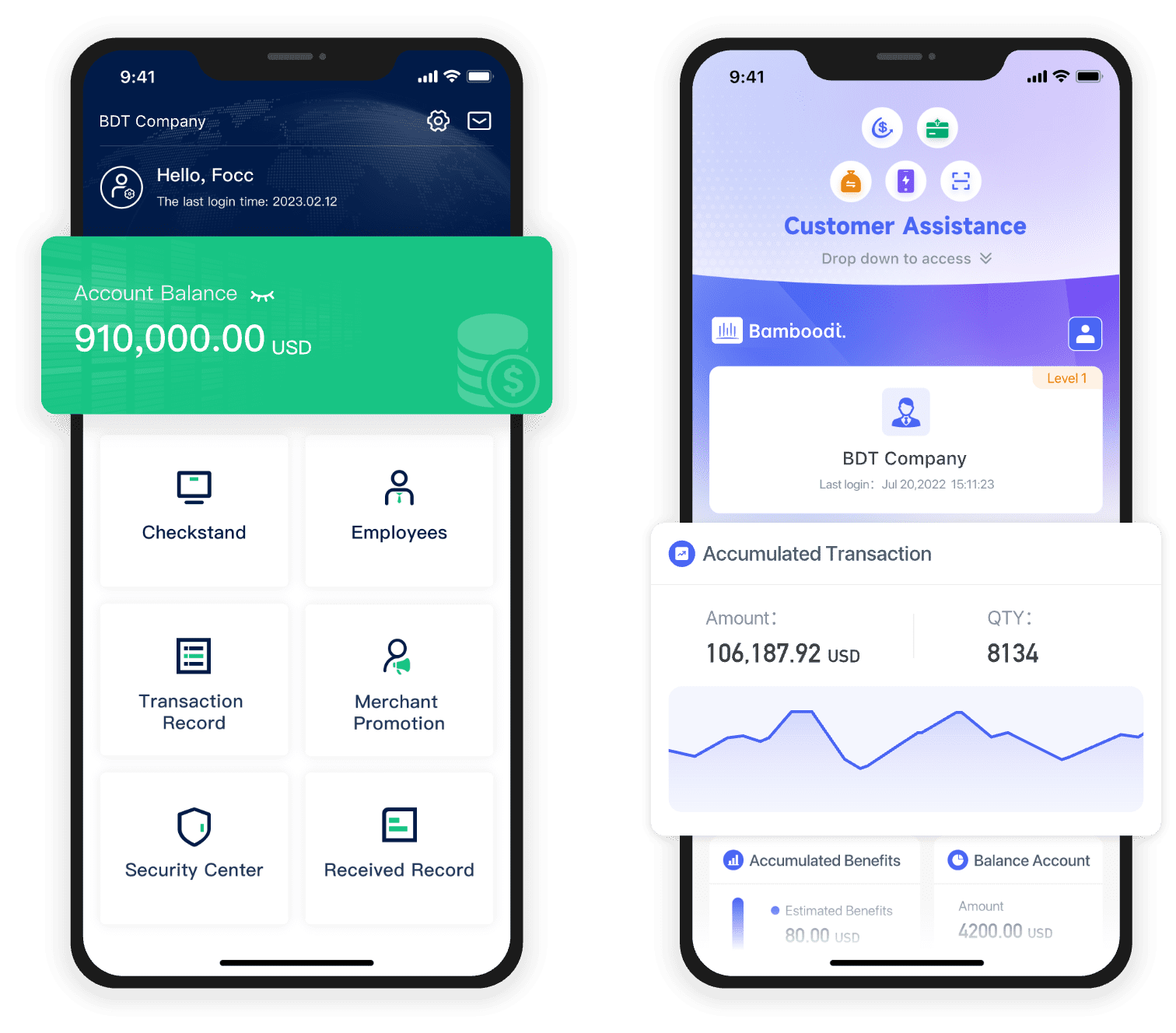
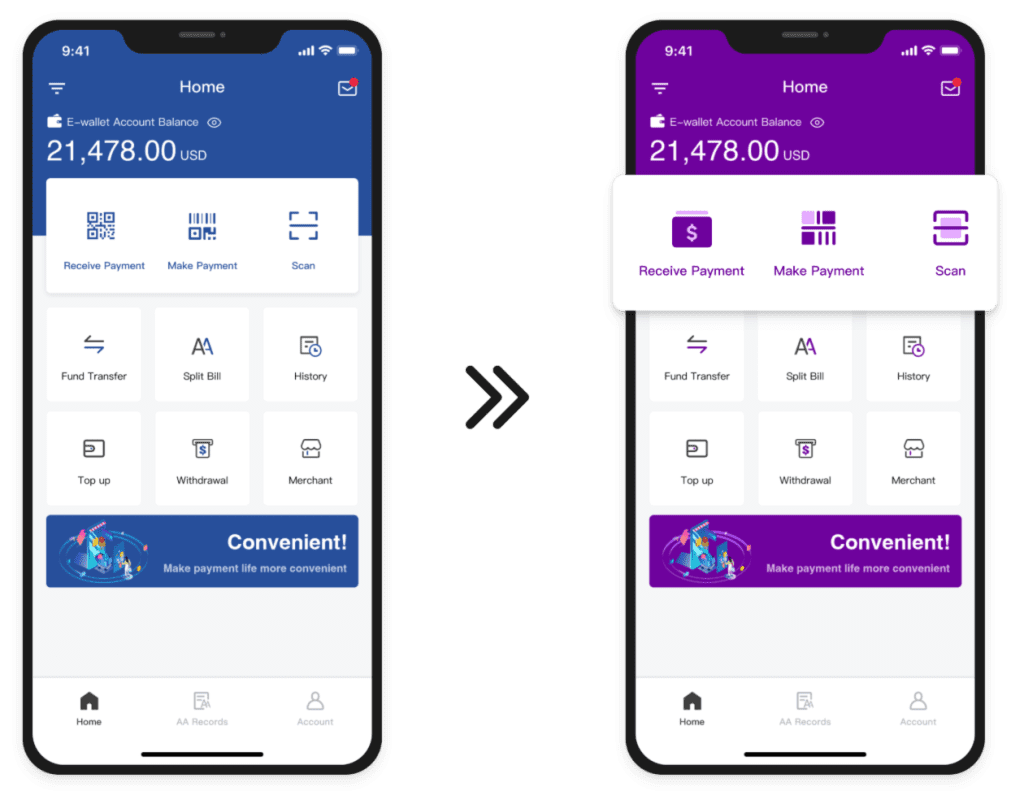
A user-friendly interface is paramount in ensuring that your e-wallet meets user expectations. The design should be intuitive, with clear navigation and engaging visual elements. Employing UI/UX principles will enhance user satisfaction, facilitating easier onboarding and consistent usage.
4. Core Development
During the core development phase, programmers will build the application’s backend and frontend. Secure payment processing, database management, and compliance with local laws and regulations (such as GDPR for European users) are pressing considerations. Implementing security features such as encryption, two-factor authentication (2FA), and biometric verification can significantly improve user trust.
5. Testing
Once development is complete, thorough testing is critical to ensure the application functions flawlessly. This includes unit testing, integration testing, and user acceptance testing (UAT). It’s essential to identify bugs and security vulnerabilities before launching the product to the market.
6. Deployment and Maintenance
After a successful testing phase, the e-wallet application can be deployed on app stores or made available for web use. Post-launch maintenance and regular updates are key to keeping the application secure and relevant as technology evolves and new features become available.
Key Features of a Successful E-Wallet
To stand out in a saturated market, your e-wallet must incorporate several essential features:
1. Multi-Currency Support
With globalization, supporting multiple currencies is vital. Users should be able to transact in their local currency or any other major currency, enhancing usability for international transactions.
2. Reminders and Notifications
Integrating reminder systems for transaction limits, bill payments, or promotions can enhance the user experience. Notifications can keep users engaged and help them manage payments more efficiently.
3. Secure Transactions
Security should always be a top priority. Ensure that your e-wallet uses robust encryption methodologies, complies with PCI DSS standards, and implements fraud detection systems.
4. Loyalty Programs
Incentivizing users through loyalty programs, rewards points, or cash back can boost user acquisition and retention. Creative programs that resonate with your target demographic can enhance loyalty and encourage frequent usage.
Strategies for Marketing Your E-Wallet
Once your e-wallet is ready for launch, effective marketing strategies are essential to gain traction. Here are several strategies to consider:
1. Content Marketing
Create engaging content that educates potential users about the benefits of e-wallets and how your application stands apart. Blogging, video tutorials, and infographics can help drive traffic and improve SEO, drawing in organic leads.
2. Social Media Engagement
Utilize social media platforms to create awareness about your application. Share updates, features, and promotions while engaging directly with users in real-time.
3. Influencer Collaborations
Partnering with influencers in the finance or tech industry can create credibility and broaden your reach. Influencers can demonstrate the functionality of your e-wallet to their followers, generating interest.
4. SEO Optimization
Optimize both your website and app store listings with relevant keywords that reflect user searches. This improves visibility on search engines and attracts organic traffic.
Innovative Trends in E-Wallet Development
The landscape of e-wallets is continuously evolving. Keeping abreast of innovative trends can ensure your application remains competitive:
1. Blockchain Integration
Blockchain technology offers transparency, security, and efficiency in payment processing. Leveraging blockchain for your e-wallet can significantly enhance trust among users.
2. Artificial Intelligence (AI) and Machine Learning (ML)
AI and ML can personalize user experiences, predict user behavior, and enhance security measures by identifying fraudulent patterns. Implementing these technologies can create a more engaging and secure interface.
3. Virtual and Augmented Reality (VR/AR)
Integrating VR/AR can redefine the user experience by offering immersive shopping experiences where users can interact with products before making purchases through your e-wallet.
4. Cryptocurrency Support
As cryptocurrencies become more mainstream, integrating crypto transactions can attract a tech-savvy audience. Allowing users to buy, sell, or hold cryptocurrencies within your e-wallet can broaden your user base.
In conclusion, the potential for e-wallet development in this increasingly digital world is immense. By understanding the development process, emphasizing essential features, implementing effective marketing strategies, and staying ahead of trends, you can position your e-wallet for success in the competitive landscape. Remember that innovation and user-centric design will be key to your application’s performance and user satisfaction.