Transforming Fintech: The Future of E-Wallet Development Companies
The evolution of technology has significantly shaped the financial industry, leading to the rise of digital wallets or e-wallets. As cash transactions decline and consumers become more dependent on digital platforms, e-wallet development companies are at the forefront of this transformation. In this article, we will delve into the key aspects that define the future of e-wallet development, the technology behind it, current trends, and the critical role that e-wallets play in our digital lives.
Understanding E-Wallets
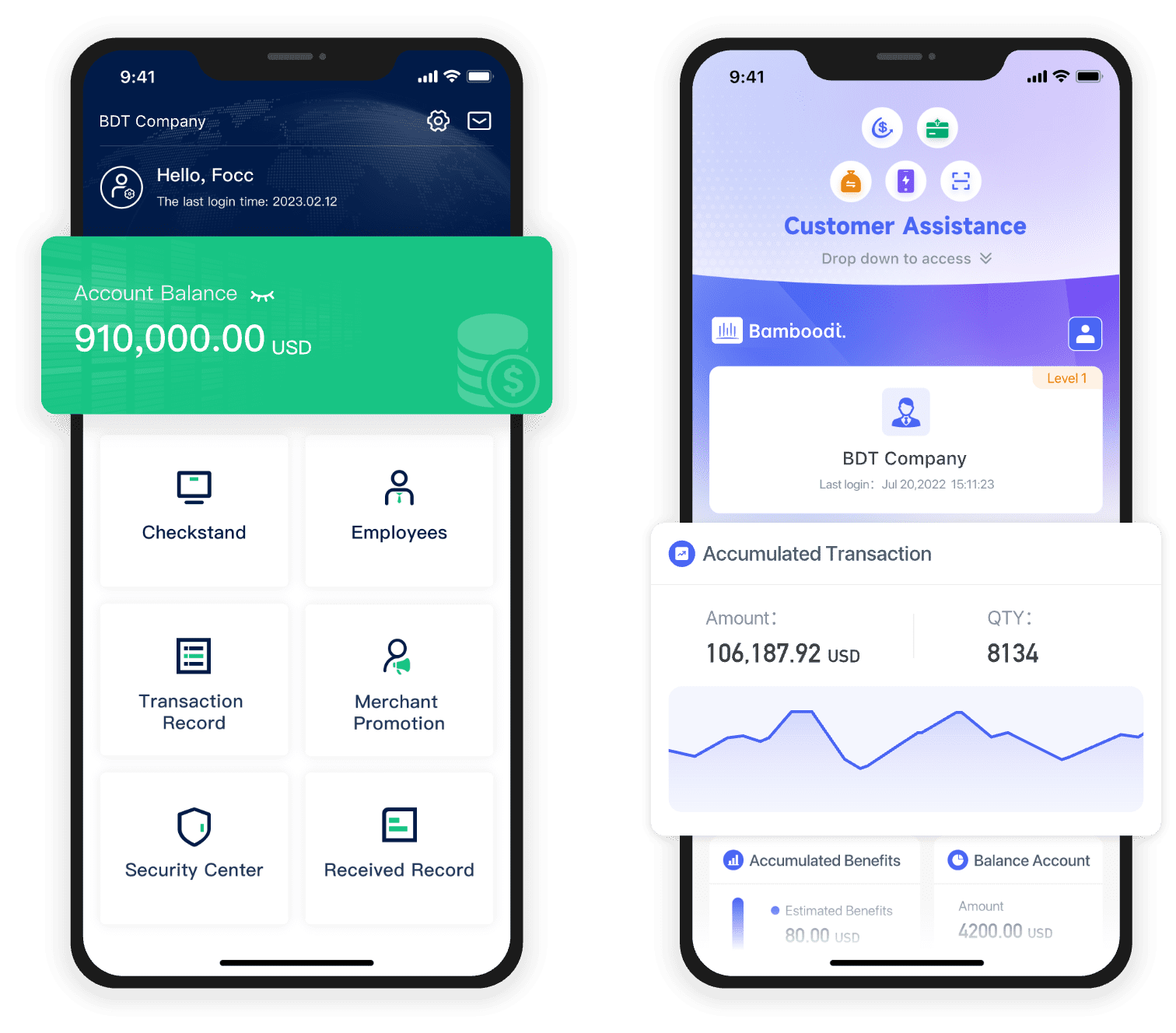
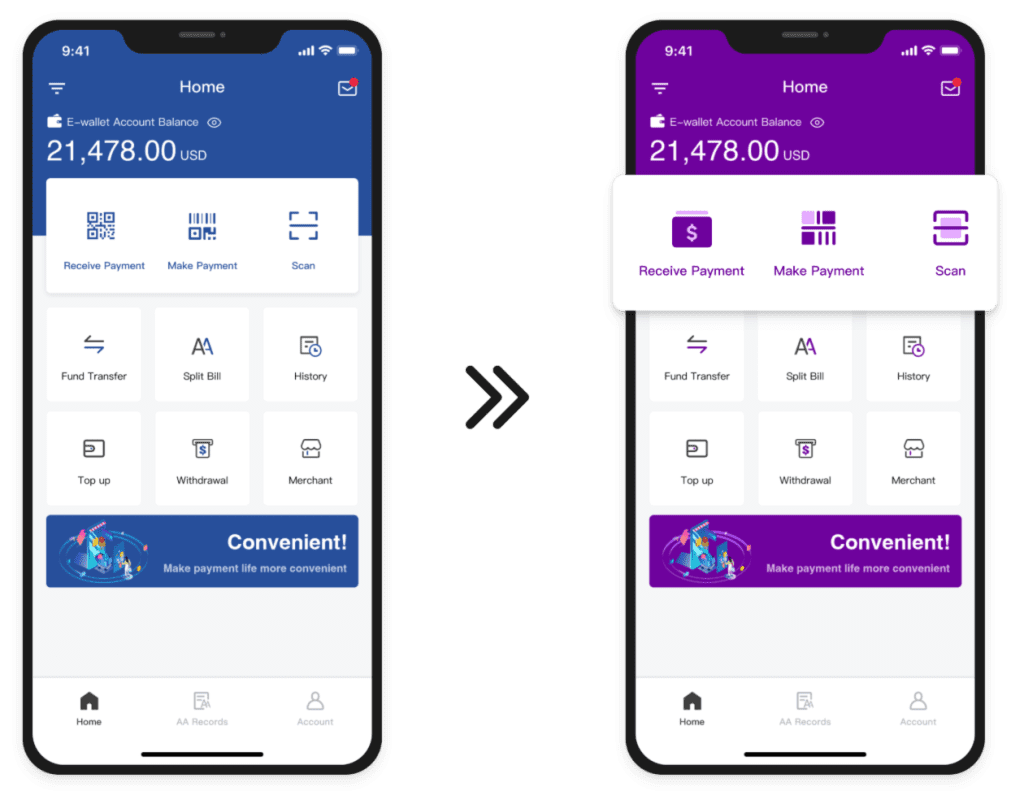
E-wallets are electronic applications that allow users to store, manage, and use their money digitally. With the capacity to facilitate various transactions—such as online purchases, bill payments, and money transfers—e-wallets provide convenience and security. They typically come with features like QR code scanning, transaction history tracking, and budgeting tools, making them more than just a payment apparatus; they serve as a comprehensive financial management tool.
The Surge in Demand
As more consumers embrace technology, the demand for e-wallets has surged. Here are a few notable factors contributing to this phenomenon:
- Increased Smartphone Adoption: With smartphones becoming ubiquitous, consumers have all the tools they need to manage their finances at their fingertips.
- COVID-19 Pandemic: The pandemic accelerated the shift towards contactless payments, as people sought safer ways to conduct transactions.
- Financial Literacy: As awareness of digital finance grows among consumers, more people are using e-wallets to gain better control over their finances.
The Role of E-Wallet Development Companies
E-wallet development companies are integral in fulfilling the evolving needs of consumers. By harnessing advanced technology, these companies continuously innovate and enhance the functionality of e-wallets. Here are key roles they play:
- Creating User-Centric Interfaces: Development firms focus on user experience (UX) to ensure their e-wallets are intuitive and easy to navigate.
- Implementing Robust Security Measures: Trust is a pivotal factor, and thus, development companies prioritize robust encryption and two-factor authentication.
- Integrating Payment Gateways: Companies facilitate seamless transactions by integrating various payment gateways, thus broadening user options.
Technological Innovations in E-Wallet Development
In an industry where staying ahead of the curve is essential, e-wallet development companies leverage cutting-edge technology to deliver superior products. Here are some innovations that shape the future of e-wallets:
- Artificial Intelligence: AI can offer personalized experiences by analyzing user behavior and providing tailored recommendations.
- Blockchain Technology: This technology enhances transparency and security, minimizing the risks associated with fraud.
- Machine Learning: Machine learning algorithms help in risk assessment and fraud detection, making transactions safer for users.
- Internet of Things (IoT): Integration of IoT devices is becoming more prevalent, enabling users to make payments through smart devices.
Case Studies of Successful E-Wallets
To better understand the success factors in e-wallet development, let’s look at a few companies that have made significant impacts:
1. PayPal
PayPal revolutionized online transactions with its easy-to-use platform and strong security features. Its continuous evolution—including features like “PayPal Credit”—illustrates how continual innovation is key to retaining consumer loyalty.
2. Venmo
Venmo capitalized on social interactions, allowing users to share payment notes. This unique feature helped it gain a strong foothold among younger demographics, proving that creativity can lead to success.
3. Alipay
Originating from China, Alipay dominates the mobile payment landscape by merging various financial services. This all-in-one approach offers users a seamless experience, setting a benchmark for others.
Future Trends in E-Wallet Development
As we look ahead, several trends are likely to dominate the e-wallet development landscape:
- Contactless Payments: The shift towards contactless payments is expected to accelerate, driven by consumer demand for speed and convenience.
- Global Expansion: E-wallet companies are expected to expand contextually, customizing their services for different regions to increase adaptability and user acquisition.
- Enhanced Personalization: Features such as personalized offers and budgeting tools are expected to enhance user engagement.
- Focus on Inclusivity: As companies strive to cater to unbanked populations, adopting user-friendly features will make it easier for more people to access financial services.
Challenges Facing E-Wallet Development Companies
As promising as the future of e-wallets appears, several challenges persist:
- Data Privacy Concerns: Users are increasingly wary of how their data is managed, necessitating stricter adherence to data protection regulations.
- Competition: The e-wallet market is becoming increasingly crowded, forcing developers to ensure their product stands out.
- Technological Hurdles: Rapid technological changes can pose challenges for companies that need to stay updated with innovations.
Conclusion
In essence, the future of e-wallet development companies is bright, driven by advancing technology and shifting consumer behavior. As these companies continue to innovate and adapt, they will not only enhance the user experience but also play a pivotal role in transforming how we engage with financial services in our daily lives.