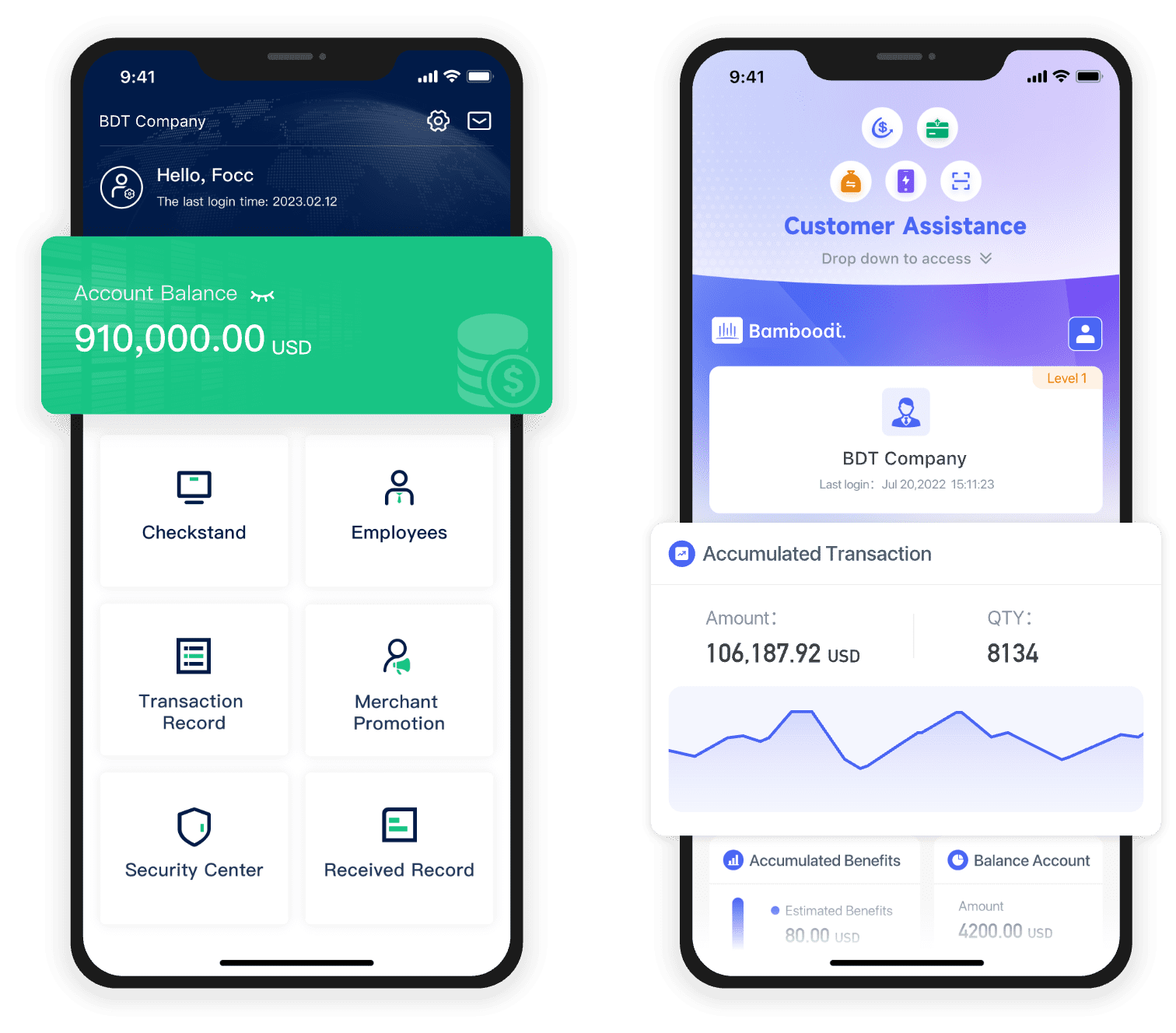
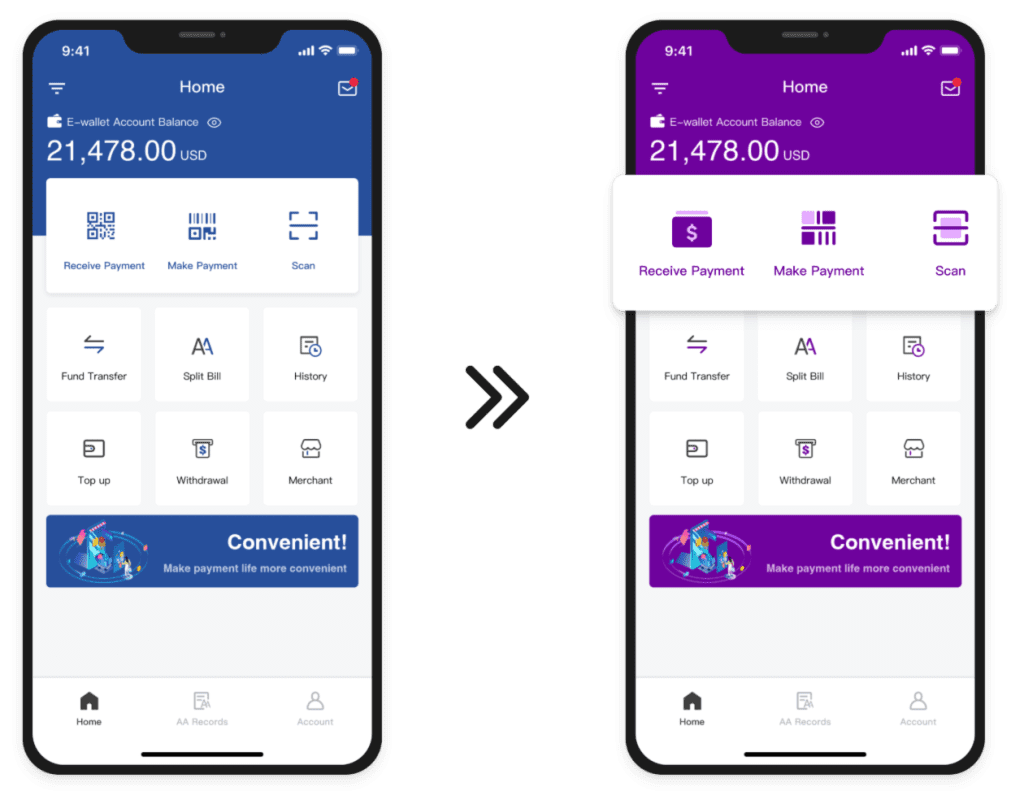
The Evolution of Digital Payments: Building a Future-Proof eWallet App
The Surging Demand for Mobile Wallet Solutions
Global mobile payment transactions are projected to reach $14 trillion by 2025, according to Statista. This explosive growth creates unprecedented opportunities for businesses entering the fintech space. Unlike traditional banking apps, modern eWallets combine payment processing with loyalty programs, cryptocurrency integration, and AI-powered financial insights.
Must-Have Features for Modern eWallets
- Biometric authentication (Face ID/Touch ID)
- Multi-currency support with auto-conversion
- QR code/NFC-based transactions
- Expense tracking with visual analytics
- Integrated loyalty/rewards ecosystem
The Technical Blueprint: Developing a Scalable Architecture
When building an eWallet mobile app, consider these critical components:
| Layer | Technology Options | Key Considerations |
|---|---|---|
| Frontend | React Native, Flutter, Swift | Offline functionality, animation smoothness |
| Backend | Node.js, Python/Django, Ruby on Rails | PCI DSS compliance, microservices architecture |
| Database | PostgreSQL, MongoDB, Cassandra | Financial data encryption at rest |
Security: The Non-Negotiable Priority
Implement a multi-layered security strategy:
- End-to-end encryption using AES-256
- Tokenization for sensitive data storage
- Behavioral analytics for fraud detection
- Regular penetration testing
Monetization Strategies That Actually Work
"Successful fintech apps blend revenue streams:
- Transaction fees (0.5-2.5% per payment)
- Premium subscription tiers
- API access for merchants
- Data-driven financial insights"
The Regulatory Maze: Staying Compliant
Navigate these critical regulations:
- GDPR for European users
- PSD2 for strong customer authentication
- AML/KYC requirements
- Local e-money licenses
Real-World Success: Case Studies
Revolut: Scaled to 25+ million users through cryptocurrency integration and stock trading features. Their tech stack uses:
- Swift/Kotlin for native apps
- Java Spring Boot backend
- Kafka for real-time notifications
GrabPay: Dominated Southeast Asia by embedding payments within food delivery and ride-hailing services. Key tech choices:
- React Native cross-platform framework
- GraphQL API layer
- Machine learning-based risk scoring
Emerging Technologies Redefining Payments
Blockchain: Enables decentralized finance (DeFi) integrations and reduces cross-border transaction fees from 7% to under 2%.
AI/ML: Predictive budgeting tools analyze spending patterns to offer personalized financial advice.
Development Cost Breakdown
Typical eWallet app development costs range $150,000 to $500,000+ based on features:
- Basic MVP: 3-6 months development
- Medium complexity: 6-12 months
- Enterprise-grade: 12-18+ months
How long does eWallet app development take?
A minimum viable product typically requires 4-6 months, while full-scale solutions with advanced features may take 9-18 months.
Looking for mobile payment processing solutions? Explore our guide to Fintech API Integration Strategies.