The Future of E-Wallet App Development: Trends, Features, and Best Practices
In today’s fast-paced digital world, the rise of mobile payment solutions has revolutionized how consumers handle transactions. E-wallet apps are at the forefront of this transformation, providing a seamless means of making payments while enhancing user convenience and security. With the growing popularity of mobile payments and digital wallets, understanding the e-wallet app development landscape is crucial for businesses aiming to capitalize on this trend. In this article, we will explore the latest trends in e-wallet app development, essential features for success, and best practices to create a standout solution.
1. Trends Driving E-Wallet App Development
The e-wallet market has witnessed unprecedented growth, projected to reach over $10 trillion globally by 2026. Several trends are influencing this upward trajectory:
1.1 Increased Adoption of Contactless Payments
As consumers become more inclined to make purchases without physical contact, the demand for contactless payments is surging. Many e-wallet apps now incorporate NFC (Near Field Communication) technology, allowing users to make secure payments by simply tapping their devices at payment terminals. This trend is particularly prominent in urban areas where quick transactions are essential.
1.2 Integration with E-Commerce Platforms
Today’s consumers expect a seamless shopping experience. Consequently, e-wallets are increasingly integrating with popular e-commerce platforms. This not only enhances the purchasing experience but also promotes repeat usage as customers can easily access their payment solutions during online shopping.
1.3 Cryptocurrency Acceptance
The rise of cryptocurrencies such as Bitcoin and Ethereum presents exciting opportunities for the e-wallet sector. In 2023, an increasing number of e-wallets are beginning to support cryptocurrency transactions. This trend caters to a growing demographic of consumers seeking to manage both fiat and digital currencies from a single app.
2. Essential Features of a Successful E-Wallet App
To remain competitive in today’s market, e-wallet apps must offer features that not only meet user expectations but also set them apart from the competition. Here are some key features to consider:
2.1 User-Friendly Interface
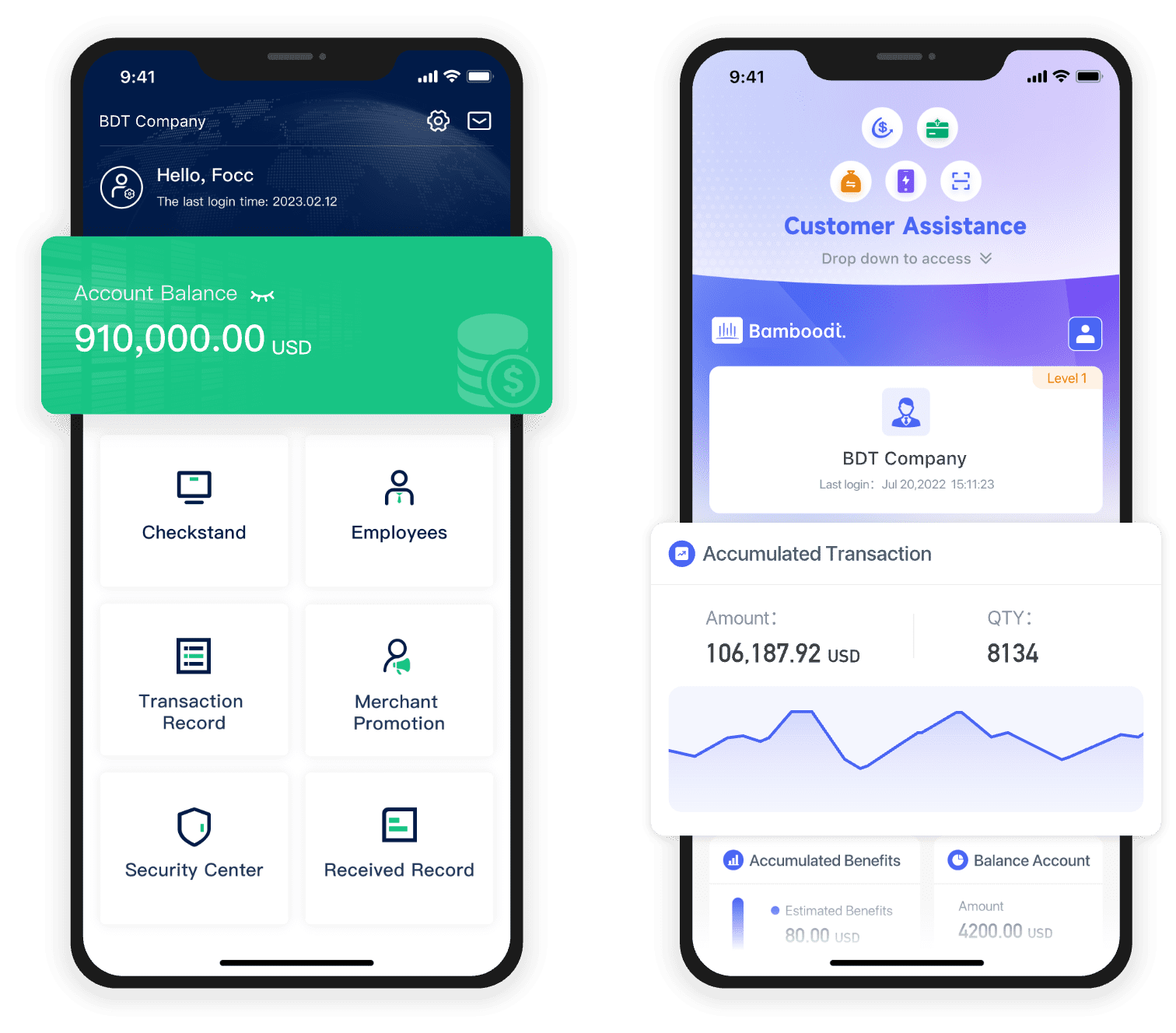
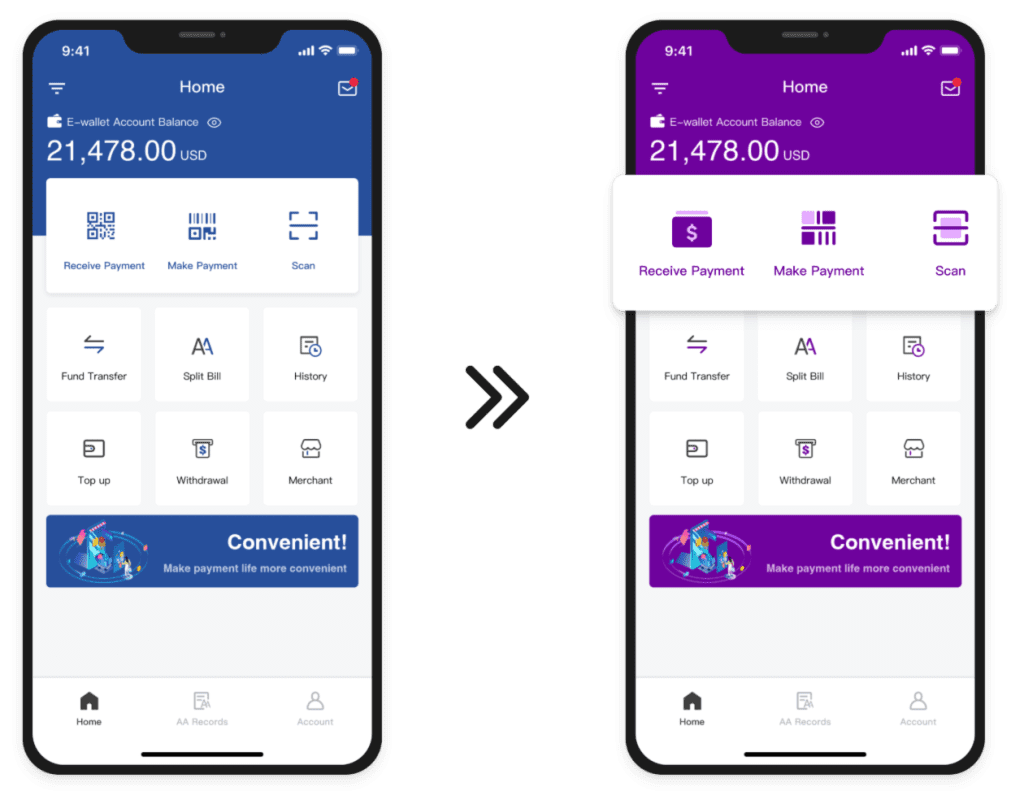
The success of any application largely depends on its user interface. A clean and user-friendly design encourages user engagement. Make sure navigation is intuitive and that users can easily access core functionalities such as sending money, making payments, or checking account balances.
2.2 Robust Security Measures
Security is paramount in the financial sector. Implementing strong security protocols, such as two-factor authentication, biometric recognition (e.g., fingerprint or facial recognition), and end-to-end encryption, is essential in building trust with users. Regular audits of security infrastructure can further tighten these defenses.
2.3 Multiple Payment Options
An attractive feature for any e-wallet is the ability to support multiple currencies and payment methods. Providing options like bank transfers, credit/debit cards, and local payment gateways ensures that users can conduct transactions without hindrance.
2.4 Loyalty and Reward Programs
Incorporating loyalty and rewards programs can significantly enhance user engagement and retention. Users are more likely to return to an app that provides incentives for spending. Rewards can be structured around cash back, discounts on future purchases, or exclusive offers.
3. Best Practices for E-Wallet App Development
To successfully launch an e-wallet application, developers should adhere to best practices that streamline the development process while ensuring a reliable product:
3.1 Comprehensive Market Research
Understanding the target audience and existing competitors is crucial for creating a successful e-wallet app. Conduct thorough market research to gather insights on user preferences, pain points, and features offered by competitors. This knowledge can inform your app’s unique selling proposition (USP) and guide feature development.
3.2 Agile Development Methodology
Employing an agile development approach allows for flexibility and continuous improvement throughout the development cycle. This method emphasizes collaboration, customer feedback, and iterative releases, enabling developers to adapt features based on user feedback quickly.
3.3 Robust Testing Procedures
Before launching the app, it’s vital to engage in comprehensive testing to identify and rectify any bugs or security vulnerabilities. Conduct functionality, usability, and performance testing to ensure the app meets industry standards and delivers a seamless user experience.
3.4 Compliance with Regulatory Standards
The financial sector is subject to numerous regulations to protect consumer data and ensure safe transactions. E-wallet developers must familiarize themselves with local regulations (such as KYC, AML) and ensure compliance from the outset of the development process.
4. Marketing Your E-Wallet App
After completing the development of your e-wallet app, the next step is effective marketing to ensure it reaches your target audience:
4.1 Optimize for App Stores
Search engine optimization (SEO) isn’t just for websites; it’s also critical for mobile apps. Implementing app store optimization (ASO) strategies, such as using relevant keywords in the app title and description, can significantly enhance visibility in app stores.
4.2 Leverage Social Media Advertising
Social media platforms provide an effective channel for promoting new applications. Engaging content, targeted ads, and influencer partnerships can drive downloads and increase brand awareness within your target demographic.
4.3 Encourage User Reviews and Feedback
User reviews play a vital role in building trust and credibility. Encourage users to leave feedback on app stores and engage with them through customer support. Addressing user concerns promptly can result in higher satisfaction and improved app ratings.
5. Final Thoughts
The digital payment landscape is continuously evolving, and the potential for e-wallet app development remains vast. By understanding current trends, integrating essential features, and adhering to best practices, businesses can create an e-wallet solution that stands out in a crowded market. The future of e-wallets looks promising, and those willing to innovate and adapt will thrive in this dynamic sector.