The Future of Digital Transactions: How E-Wallet Development is Shaping Financial Ecosystems
In a world where cash is becoming obsolete and contactless payments dominate, e-wallets have emerged as a cornerstone of modern finance. The rapid evolution of digital payment solutions has transformed how consumers and businesses interact with money, creating opportunities for innovation, security, and global financial inclusion. This article delves into the critical role of e-wallet development companies in shaping this dynamic landscape.
Why E-Wallets Are Redefining Financial Interactions
The shift toward digital wallets is more than a trend—it’s a fundamental change in global commerce. With over 60% of consumers preferring mobile payments for everyday transactions, the demand for secure, scalable, and feature-rich e-wallet solutions has skyrocketed. Financial institutions, fintech startups, and even traditional businesses are investing in custom e-wallet platforms to streamline operations, reduce costs, and enhance customer experiences.
From peer-to-peer transfers to integrated loyalty programs, e-wallets offer unparalleled convenience. However, their true value lies in their ability to integrate with emerging technologies like blockchain, artificial intelligence, and IoT devices, positioning them as central hubs for multifaceted financial ecosystems.
Core Features of High-Performance E-Wallets
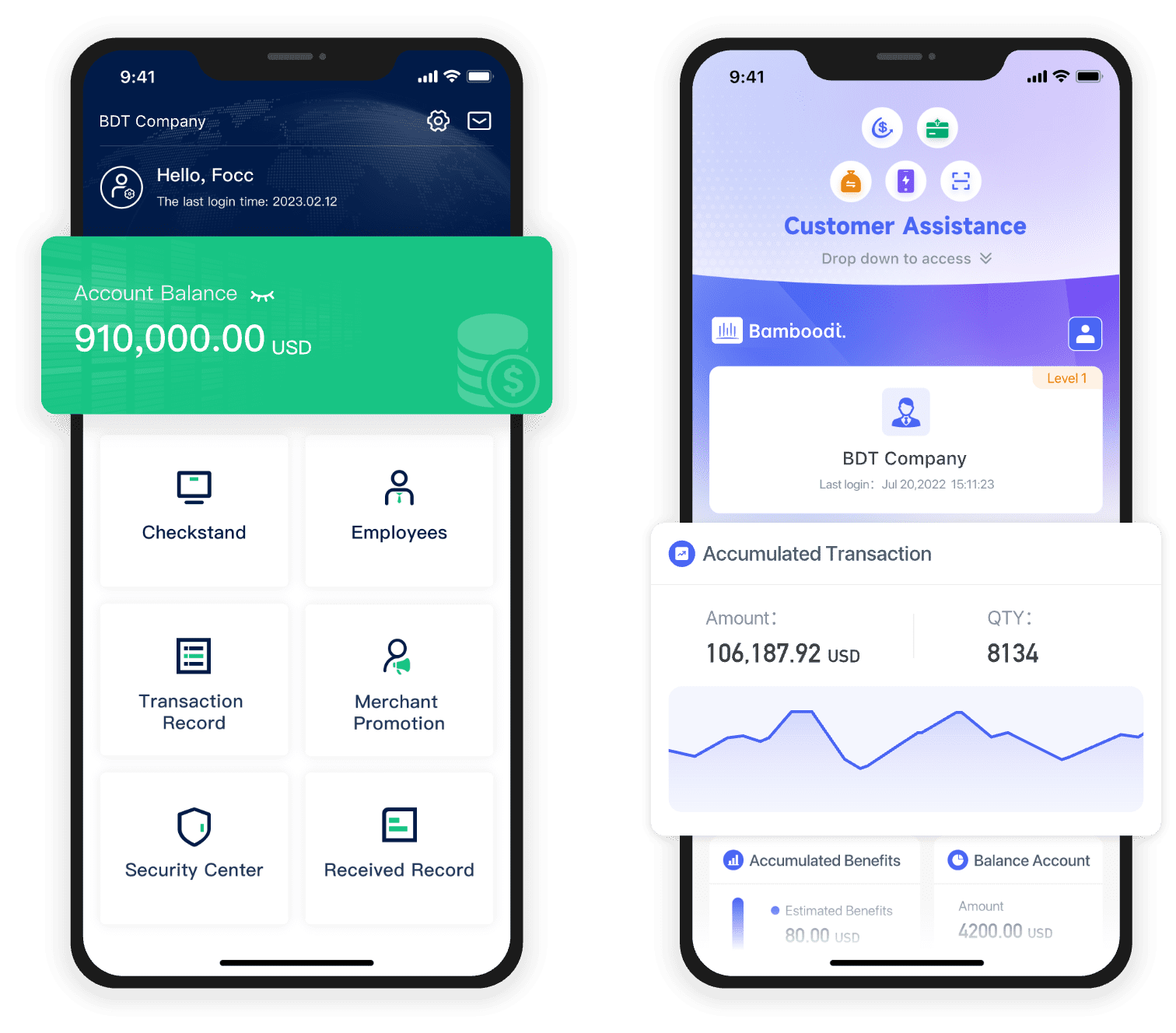
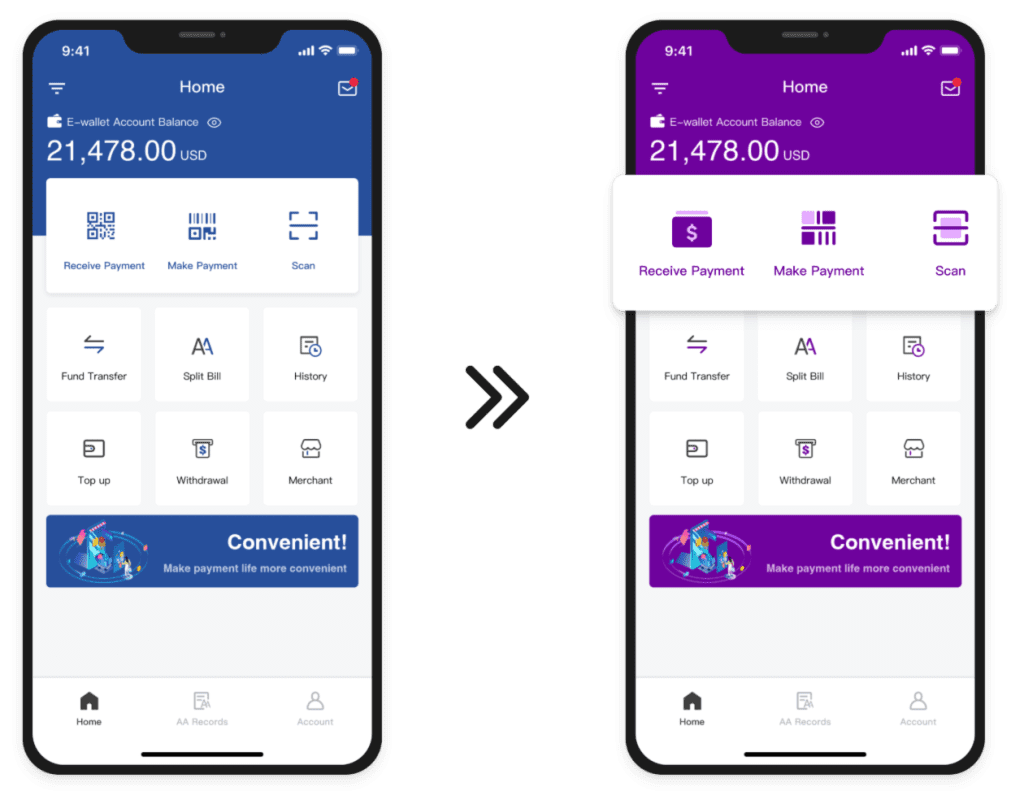
A robust e-wallet platform requires more than basic payment functionality. Leading solutions now incorporate:
- Biometric Authentication: Fingerprint and facial recognition for enhanced security.
- Multi-Currency Support: Facilitate cross-border transactions with real-time currency conversion.
- API Integrations: Seamless connectivity with banking systems, ERP software, and third-party apps.
Developers are also prioritizing offline functionality, enabling users to make payments in areas with limited internet access—an essential feature for markets in developing regions.
Behind the Scenes: Building a Future-Ready E-Wallet
Creating a competitive e-wallet involves strategic planning and technical expertise. Here’s a simplified overview of the development lifecycle:
1. Market Research & Compliance
Understanding regional regulations (e.g., GDPR, PSD2) is paramount. Developers must balance innovation with adherence to anti-money laundering (AML) and know-your-customer (KYC) requirements.
2. Technology Stack Selection
Choosing between native iOS/Android apps or hybrid frameworks impacts scalability. Backend architectures often leverage cloud solutions like AWS or Azure for high availability.
Emerging Trends in E-Wallet Development
The industry is witnessing groundbreaking advancements:
Decentralized Finance (DeFi) Integration
E-wallets now support cryptocurrency storage and DeFi protocols, allowing users to earn interest or stake assets directly from their digital wallets.
Contextual Payments via IoT
Smart devices—from refrigerators to vehicles—are being equipped with auto-payment triggers. Imagine your electric car paying for its own charging session!
Overcoming Obstacles in E-Wallet Implementation
Despite their potential, developers face significant hurdles:
- Fraud Prevention: Machine learning algorithms analyze transaction patterns to detect anomalies in real time.
- Interoperability: Open banking APIs are bridging gaps between disparate financial systems.
Real-World Success Stories
Case Study 1: A Southeast Asian super-app integrated e-wallet functionality, resulting in a 200% increase in user engagement within six months.
Case Study 2: A European bank’s white-label e-wallet solution reduced payment processing costs by 45% while improving transaction speed.
As quantum computing and 5G networks mature, e-wallet capabilities will expand into uncharted territories. The companies leading this charge aren’t just building payment tools—they’re architecting the financial infrastructures of tomorrow.