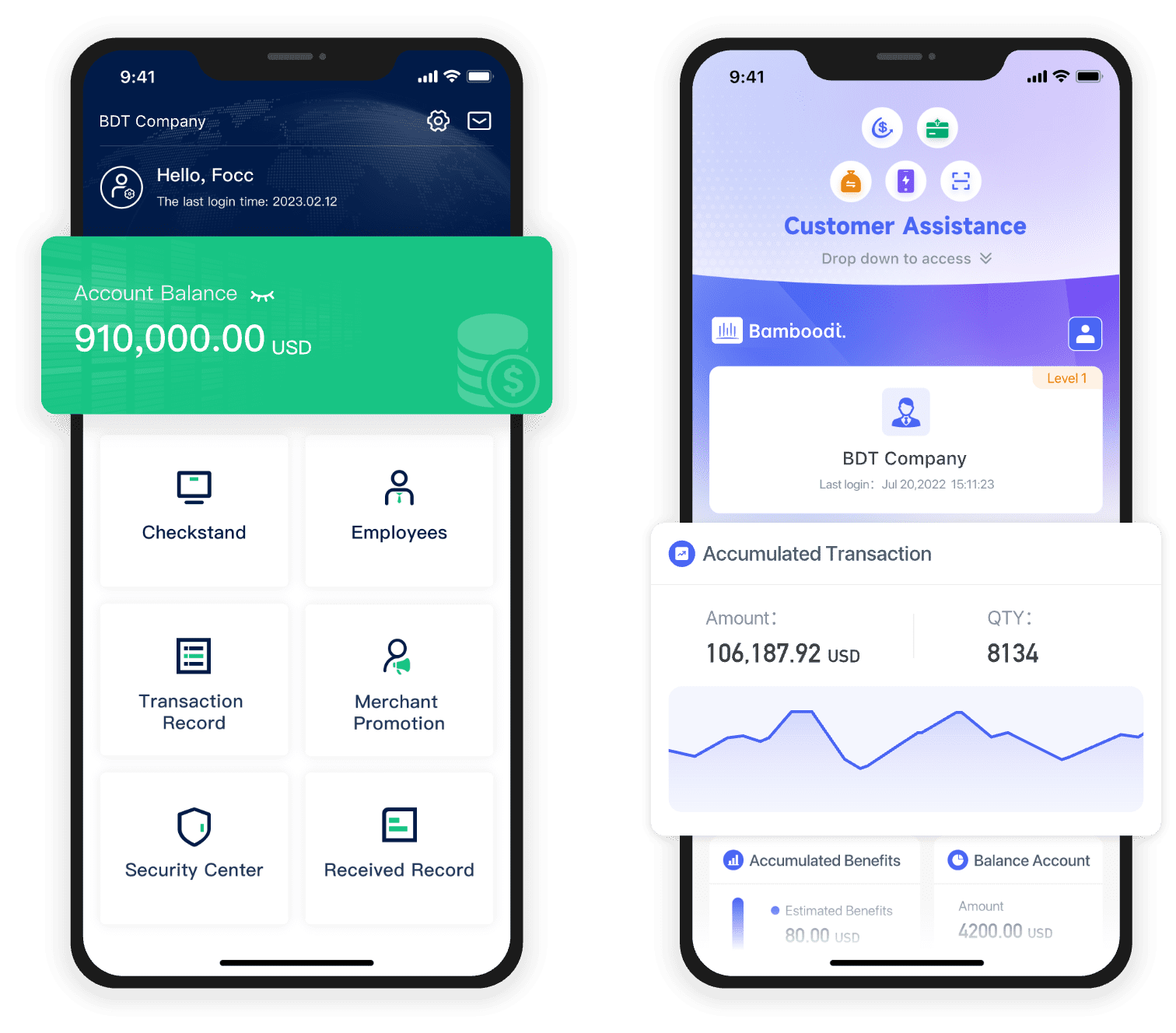
The Future of Digital Payments in Yangon: How eWallet Solutions Are Transforming Myanmar’s Economy
Introduction: Yangon’s Shift Toward a Cashless Society
As Myanmar’s largest city, Yangon has become a hub for technological innovation, particularly in financial services. With smartphones penetrating nearly 70% of the urban population, businesses and consumers are increasingly adopting eWallet software solutions to streamline transactions. But what does this mean for local businesses, startups, and everyday users? In this article, we’ll explore the rapid growth of digital payment platforms in Yangon and their impact on Myanmar’s evolving economy.
Why eWallets Are Gaining Traction in Yangon
1. Bridging the Financial Inclusion Gap
Despite Yangon’s urbanization, a significant portion of Myanmar’s population remains unbanked. eWallets developed by local fintech companies provide an accessible entry point for users without traditional bank accounts. By partnering with telecom providers and retailers, these platforms enable seamless mobile top-ups, bill payments, and peer-to-peer transfers.
2. Surging Demand for Contactless Payments
The pandemic accelerated the adoption of contactless payment systems across Yangon. Restaurants, retail stores, and even public transport services now prioritize QR code-based transactions to minimize physical contact. eWallet developers are responding by integrating advanced security features like tokenization and biometric authentication.
Key Features of Modern eWallet Software in Myanmar
- Multi-Currency Support: Catering to Myanmar’s tourism sector, apps now handle USD, MMK, and even cryptocurrencies.
- Offline Transactions: Critical for areas with unstable internet connectivity.
- API Integrations: Seamless connections to banking systems, loyalty programs, and accounting software.
Case Study: A Yangon-Based Ecommerce Startup’s Success Story
Take ShweShop, a local online marketplace that partnered with a Yangon eWallet development firm to integrate in-app payments. Within six months, their checkout abandonment rate dropped by 40%, while average transaction values increased by 22%—proof that user-friendly payment experiences drive customer retention.
Challenges in eWallet Development for the Myanmar Market
Regulatory Compliance
The Central Bank of Myanmar’s recent Digital Payment Guidelines require developers to implement stringent KYC (Know Your Customer) protocols. Balancing regulatory requirements with smooth user onboarding remains a key hurdle.
Infrastructure Limitations
While 4G coverage expands in Yangon, rural areas still face connectivity issues. Adaptive eWallet solutions that function offline or via USSD codes are becoming essential.
What’s Next for Yangon’s eWallet Ecosystem?
Industry experts predict three major trends:
- Super-App Models: Combining payments with food delivery, ride-hailing, and investment features.
- Cross-Border Partnerships: Linking Myanmar’s eWallets with Thai or Singaporean systems for regional tourism.
- AI-Driven Personalization: Using spending data to offer microloans or tailored discounts.
How Yangon Businesses Can Prepare
Adopting eWallet technology isn’t just about installing a payment gateway. Companies must:
- Train staff in digital transaction management
- Audit cybersecurity measures regularly
- Collaborate with developers who understand Myanmar’s linguistic and cultural nuances
The Role of Local Developers in Shaping Myanmar’s Fintech Landscape
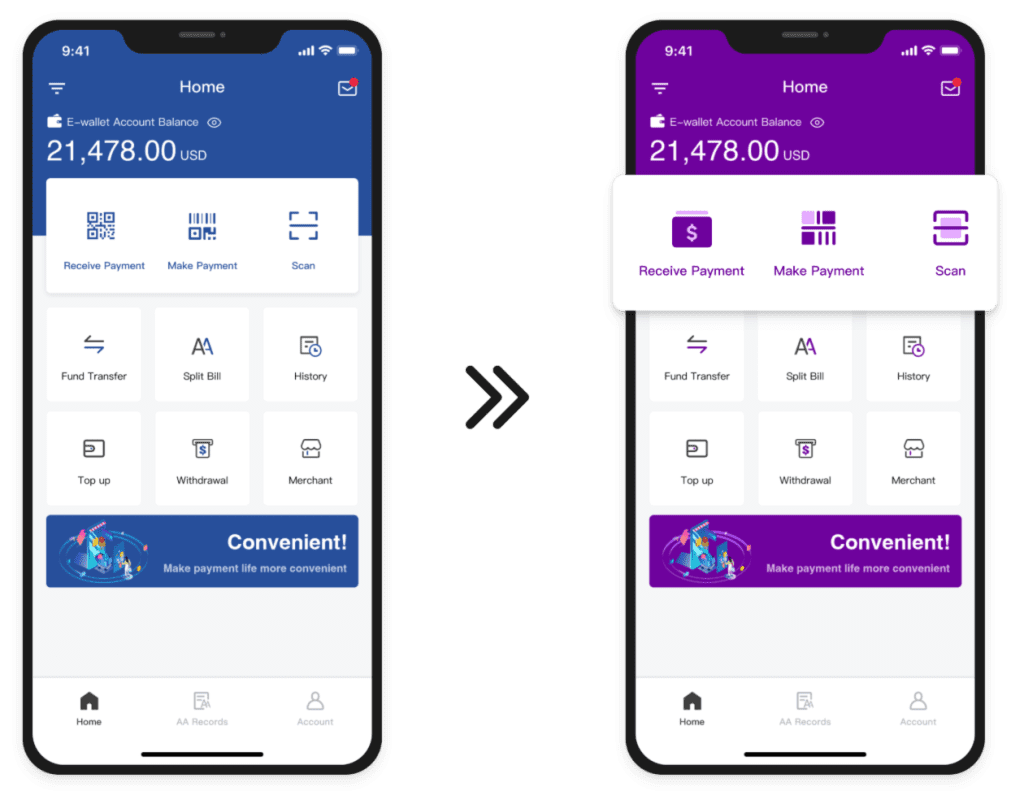
Homegrown eWallet providers have a unique advantage: they recognize patterns in Yangon’s consumer behavior that foreign apps might overlook. For instance, platforms offering group payment splitting saw 300% more downloads during Myanmar’s festival season compared to generic international apps.
Final Thoughts: A Call to Action for Innovators
Yangon’s journey toward becoming a fully digital economy is just beginning. Whether you’re a retailer considering eWallet integration or a developer building the next groundbreaking payment solution, staying ahead means embracing agility and user-centric design.