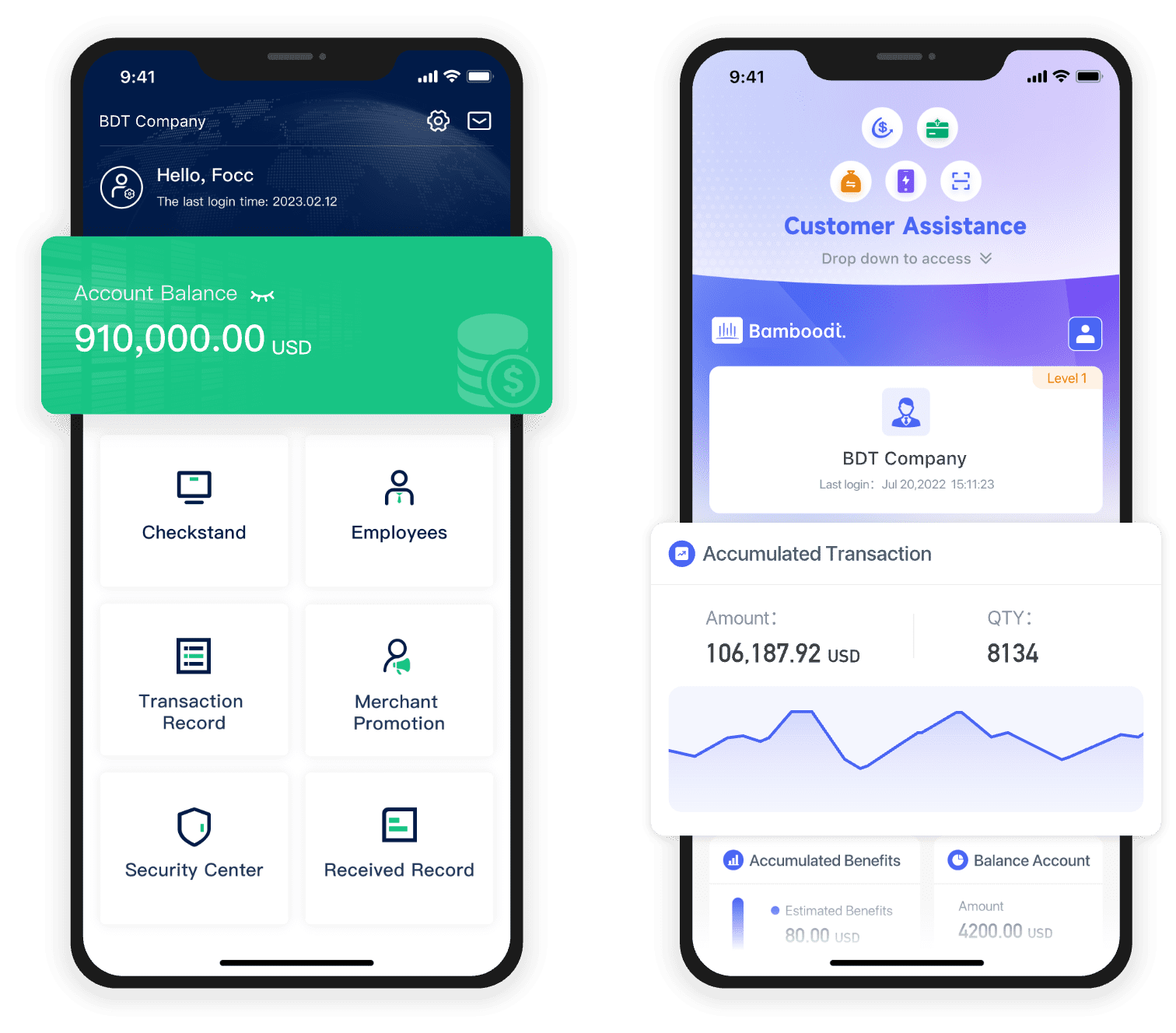
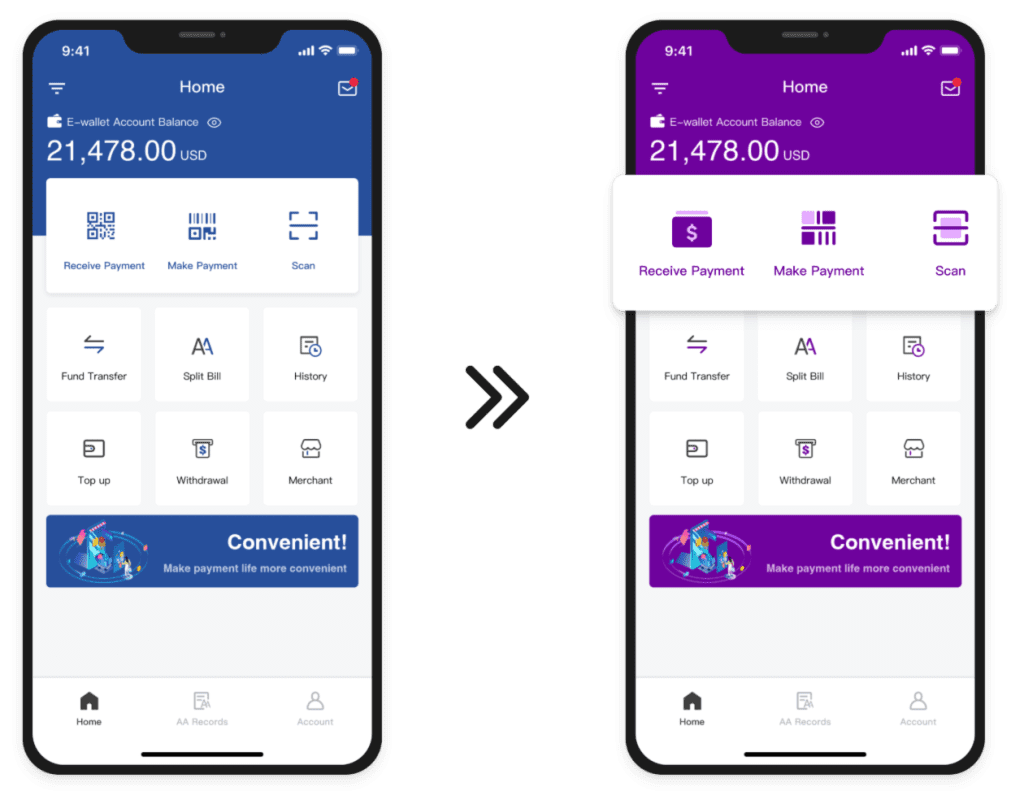
The Future of Digital Payments: A Comprehensive Guide to E-Wallet Application Development
In our increasingly digital world, the demand for seamless and efficient payment methods has skyrocketed. E-wallets have emerged as a game changer in the financial domain, offering users a quick, simple, and secure way to manage their finances. In this article, we will dive deep into the various aspects of e-wallet application development, including its benefits, essential features, technology stack, and the steps involved in creating a successful e-wallet app.
Understanding E-Wallets
An e-wallet, or digital wallet, is a software application that allows users to store funds, make transactions, and track payment history through their mobile devices or computers. E-wallets can store a range of information, from bank account details and credit card numbers to receipts and loyalty cards, making them a versatile financial tool.
Why Develop an E-Wallet Application?
The decision to develop an e-wallet application must be backed by market research and an understanding of user needs. Here are several compelling reasons to consider:
- Rising Adoption: With the increase in internet penetration and smartphone usage, more consumers are opting for digital payment solutions.
- Convenience: Users appreciate the convenience of being able to make transactions anytime, anywhere without the need for physical cash.
- Security: E-wallets provide advanced security features, making digital payments safer than traditional methods.
- Integration with Other Services: E-wallets can be easily integrated with various services, ranging from online shopping and bill payments to booking tickets and transferring money.
Essential Features of an E-Wallet Application
A successful e-wallet application must incorporate several key features to ensure usability, security, and user satisfaction. Here are the essential features to consider:
- User Registration and Profiles: Allow users to create accounts via email or social media login. A detailed user profile enhances personalization.
- Multi-Currency Support: Since many users may travel or engage in international transactions, supporting multiple currencies is vital.
- Security Measures: Implement strong encryption, biometric authentication, and two-factor verification.
- Transaction History: Users should be able to view their transaction history for better financial management.
- Integration with Banks: Ensure seamless connection with banking systems for direct fund transfers.
- Send and Receive Money: Users should have the option to send and receive money effortlessly.
- Payment Gateway Integration: Connecting with popular payment gateways ensures reliable and quick payment processing.
- Customer Support: Provide users with intuitive customer support features like live chat or a comprehensive FAQ section.
Choosing the Right Technology Stack
The technology stack for your e-wallet application is crucial for its performance and scalability. Here’s a breakdown of the components you might consider:
Front-End Development:
This is what the users interact with. Popular technologies include:
- React Native: For creating cross-platform mobile applications.
- Flutter: Another option for cross-platform development with great UI components.
- HTML/CSS/JavaScript: Fundamental web technologies for responsive design.
Back-End Development:
The server-side powers your application. Consider using:
- Node.js: For a scalable solution with high performance.
- Java: A stable option, particularly for complex applications.
- Python: Known for its simplicity and high productivity.
Database Technologies:
Choose a database that handles data effectively:
- MongoDB: A NoSQL database for modern applications.
- MySQL: A traditional and reliable relational database.
- PostgreSQL: Known for its advanced features and robustness.
Steps to Develop an E-Wallet Application
The journey of developing an e-wallet application involves several critical steps:
1. Market Research
Conduct thorough market research to understand your target audience, competitors, and industry trends. This information is essential for shaping your app’s features and business model.
2. Planning
Define your goals, budget, and timeline. Create a blueprint of your application, detailing its features, UI/UX, and technical specifications.
3. Design
The design phase involves creating wireframes and prototypes. A user-friendly interface is key to ensuring positive user experience and retention.
4. Development
Utilize agile development methodologies to enhance flexibility. Ensure that front-end and back-end teams collaborate effectively for seamless integration.
5. Testing
Extensive testing is crucial. Perform functionality, usability, security, and performance testing to ensure the application is bug-free and secure before launch.
6. Launch
Deploy your application on relevant app stores. Consider a marketing plan to promote your e-wallet app and attract users.
Marketing Strategies for E-Wallets
Developing an e-wallet app is just the beginning; you’ll need effective marketing strategies to engage users:
- Social Media Marketing: Utilize platforms like Facebook, Twitter, and Instagram to create awareness and engage potential users.
- Email Marketing: Keep your audience informed with updates, promotions, and tips on using your app.
- Influencer Collaborations: Partner with influencers in finance or technology to reach a wider audience effectively.
- Referral Programs: Encourage existing users to refer others by offering incentives.
Ensuring legal compliance
Compliance with regulations is critical in the financial sector. Familiarize yourself with local laws, including data protection regulations and payment processing standards, to avoid legal pitfalls.
Final Thoughts
As digital payment methods continue to evolve, investing in e-wallet application development presents an opportunity for businesses to thrive in the digital economy. By focusing on user needs, security, and cutting-edge technology, you can create a robust e-wallet application that meets market demands and offers unmatched convenience. Stay ahead of the curve, and your e-wallet application can become a go-to solution for users looking for seamless ways to manage their finances.