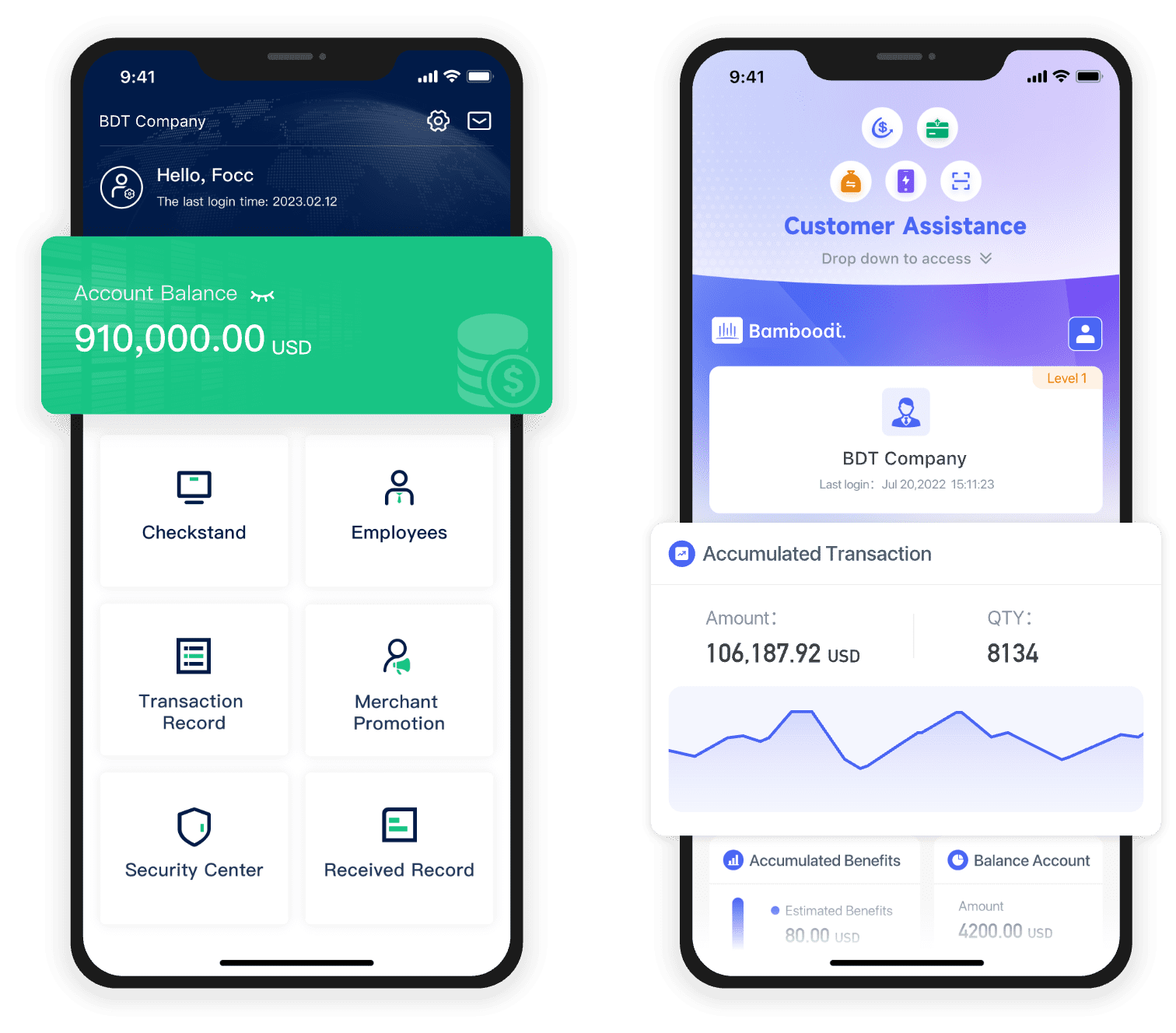
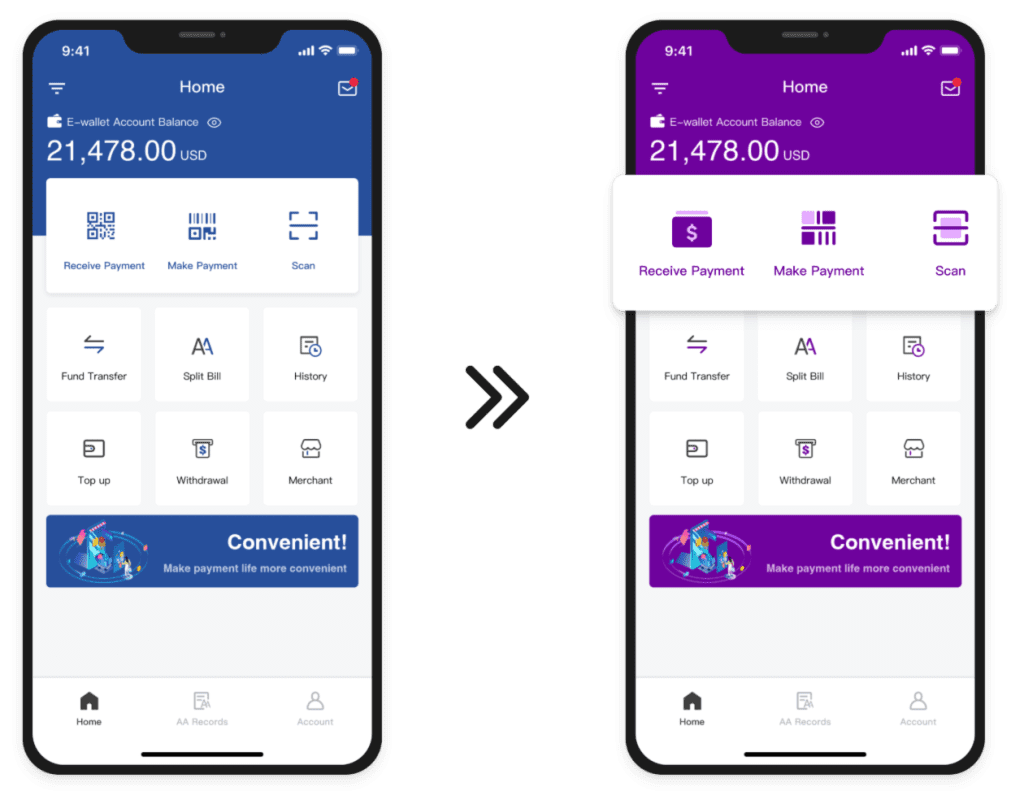
Revolutionizing Transactions: Comprehensive Solutions for E-Wallet App Development
In today’s rapidly evolving technological landscape, the way we handle transactions is undergoing a profound transformation. E-wallet apps have emerged as a critical solution that streamlines payments, enhances security, and improves user experience. This blog post delves deep into the intricacies of e-wallet app development, exploring key features, development methodologies, and design considerations that ensure a successful application.
The Rise of E-Wallets
The shift towards cashless transactions has accelerated significantly over the past few years. Factors such as the COVID-19 pandemic, increasing smartphone penetration, and a growing preference for online shopping have contributed to the soaring adoption of digital wallets. According to recent market research, the global e-wallet market size is expected to exceed $7 trillion by 2024, illustrating the immense potential that developers can harness.
Key Features of a Successful E-Wallet App
When developing an e-wallet application, it is vital to integrate a range of features that cater to user needs while ensuring optimal security. Here are some critical features to consider:
- User Registration & Authentication: Implement a secure registration process with options for social media logins and multifactor authentication to enhance security.
- Fund Transfers: Ensure users can send and receive money easily with minimal transaction fees. Integrate QR code scanning for quick transfers.
- Transaction History: Provide a detailed history of all transactions, allowing users to track their expenses and manage their finances efficiently.
- Bill Payments: Allow users to pay bills directly from the app, including utilities, mobile recharges, and insurance premiums.
- Multi-Currency Support: With a global user base, enabling transactions in various currencies can be a significant advantage.
- Loyalty Programs: Integrate reward programs that encourage users to carry out more transactions through discounts, cashback offers, or loyalty points.
- Security Features: Employ advanced security measures such as encryption, biometric authentication (fingerprint or facial recognition), and fraud detection algorithms to safeguard user data.
Choosing the Right Development Approach
Deciding on the development methodology is crucial for the success of an e-wallet application. Two of the most popular approaches are:
1. Native App Development
Native apps are designed specifically for a particular mobile operating system, such as iOS or Android. This approach allows for better performance, enhanced user experience, and access to device-specific features, such as NFC (Near Field Communication) support for contactless payments. However, developing separate apps for each platform can increase time and cost.
2. Cross-Platform Development
Cross-platform development frameworks, such as React Native or Flutter, enable developers to write code once and deploy it across multiple platforms. This approach can significantly reduce development time and costs, making it an appealing option for startups. Nevertheless, it may come with trade-offs in performance and access to native features.
User Experience (UX) and User Interface (UI) Design
An intuitive and attractive design is paramount in attracting and retaining users. Best practices in UX/UI design for e-wallet apps include:
Simplicity and Clarity
The interface should be clean and straightforward, enabling users to navigate the app without confusion. Important actions, such as sending money or checking transaction history, should be easily accessible.
Consistent Branding
Utilize logo, color schemes, and typography that align with your brand’s identity. Consistent branding fosters trust and recognition among users.
Responsive Design
Design your app to be responsive, ensuring it works seamlessly across different devices and screen sizes. A well-designed app should look and function well on smartphones and tablets alike.
Integrating Payment Gateways
Payment gateways are the backbone of e-wallet functionality. It is essential to partner with reliable payment processors that can handle transactions efficiently while ensuring robust security measures. Some popular payment gateway options include:
- PayPal: A well-known provider that offers various features, including fraud protection and easy integration.
- Stripe: Known for its developer-friendly API and extensive documentation that facilitates seamless integration.
- Braintree: Offers mobile-friendly payment solutions and supports various payment methods.
- Square: A versatile option catering to both online and in-person transactions.
Compliance and Security Regulations
In the financial domain, adhering to compliance regulations is non-negotiable. E-wallet apps must comply with regulations such as PCI DSS (Payment Card Industry Data Security Standard) and local data protection laws to safeguard user information. Conducting regular security audits and employing encryption and tokenization mechanisms can aid in maintaining trust among users.
Testing and Deployment
Thorough testing is vital before the app goes live. This process includes functional testing, performance testing, security testing, and user acceptance testing (UAT). Collecting feedback during the beta phase can help identify issues and enhance the overall user experience. Once the app is polished and optimized, it’s time for deployment on app stores.
Marketing Your E-Wallet App
After the launch, driving user adoption is the next challenge. A robust marketing strategy that leverages social media, search engine optimization, and user referral programs can significantly enhance visibility and attract potential users. Continuous engagement through updates, features, and user support is equally essential to maintain user interest and loyalty.
The Future of E-Wallet Applications
The future of e-wallet applications looks promising with the integration of advanced technologies. Features such as artificial intelligence (AI) for personalized recommendations, blockchain for enhanced security, and machine learning algorithms for fraud detection can revolutionize how users interact with their e-wallets. As technology continues to evolve, so too will the opportunities for innovative solutions in the e-wallet space.
As businesses and consumers continue to embrace digital solutions, investing in e-wallet app development offers immense potential for scalability and growth. Understanding user needs and preferences, integrating essential features, and ensuring robust security measures will pave the way for a successful e-wallet application that stands out in a competitive marketplace.