Revolutionizing Transactions: Comprehensive Guide to E-Wallet App Development Solutions
The rise of digital transactions has fundamentally transformed how we handle money. E-wallet applications have become a primary mode of conducting financial transactions, fostering a cashless world that is safer, convenient, and faster. This blog delves into the essentials of e-wallet app development solutions, the benefits they offer, essential features to include, and the future of digital wallets.
Understanding E-Wallets
An e-wallet, or electronic wallet, acts as a virtual wallet for users to store their payment information and make transactions online. With the advancement of technology and the ubiquitousness of smartphones, e-wallets have gained prominence as a reliable method for online shopping, bill payments, and peer-to-peer payments. Leading platforms like PayPal, Amazon Pay, Google Pay, and Apple Pay exemplify how fundamental e-wallets have become in daily financial transactions.
The Importance of E-Wallets in Today’s Economy
As mobile technology becomes a mainstay in everyday life, e-wallets facilitate smooth and secure transactions. They help eliminate the need for long queues at ATMs or physical banks and reduce the amount of cash handled. Furthermore, they allow users to track their expenses, manage their finances effectively, and execute transactions instantly from the comfort of their devices.
Benefits of E-Wallet App Development
Investing in e-wallet app development offers numerous advantages to businesses and consumers alike:
- Convenience: Users can complete transactions quickly, making purchases or transfers at the touch of a button.
- Enhanced Security: E-wallets protect user data through encryption and two-factor authentication, reducing risks associated with fraud.
- Cost-Effective: Businesses can save on transaction fees compared to traditional payment methods.
- Analytics and Insights: E-wallet applications can offer businesses valuable insights and analytics on user behavior and preferences. This information can guide them in improving their services and targeting marketing campaigns effectively.
- Cross-Border Transactions: E-wallets enable smooth international transactions, broadening market access for businesses and consumers.
Essential Features of E-Wallet Applications
When developing an e-wallet app, it is crucial to integrate a set of core features that enhance user experience and ensure seamless functionality. Here are some key features to include:
User Registration and Profile Management
To create a tailored experience, allowing users to register and manage their profiles by securely storing personal information is essential. A simple and smooth onboarding process will make a positive first impression on users.
Payment Integration
Integrating various payment methods, including credit/debit cards, bank transfers, and digital currencies, is vital. The more payment options available, the more inclusive the app will be for its users.
Transaction History
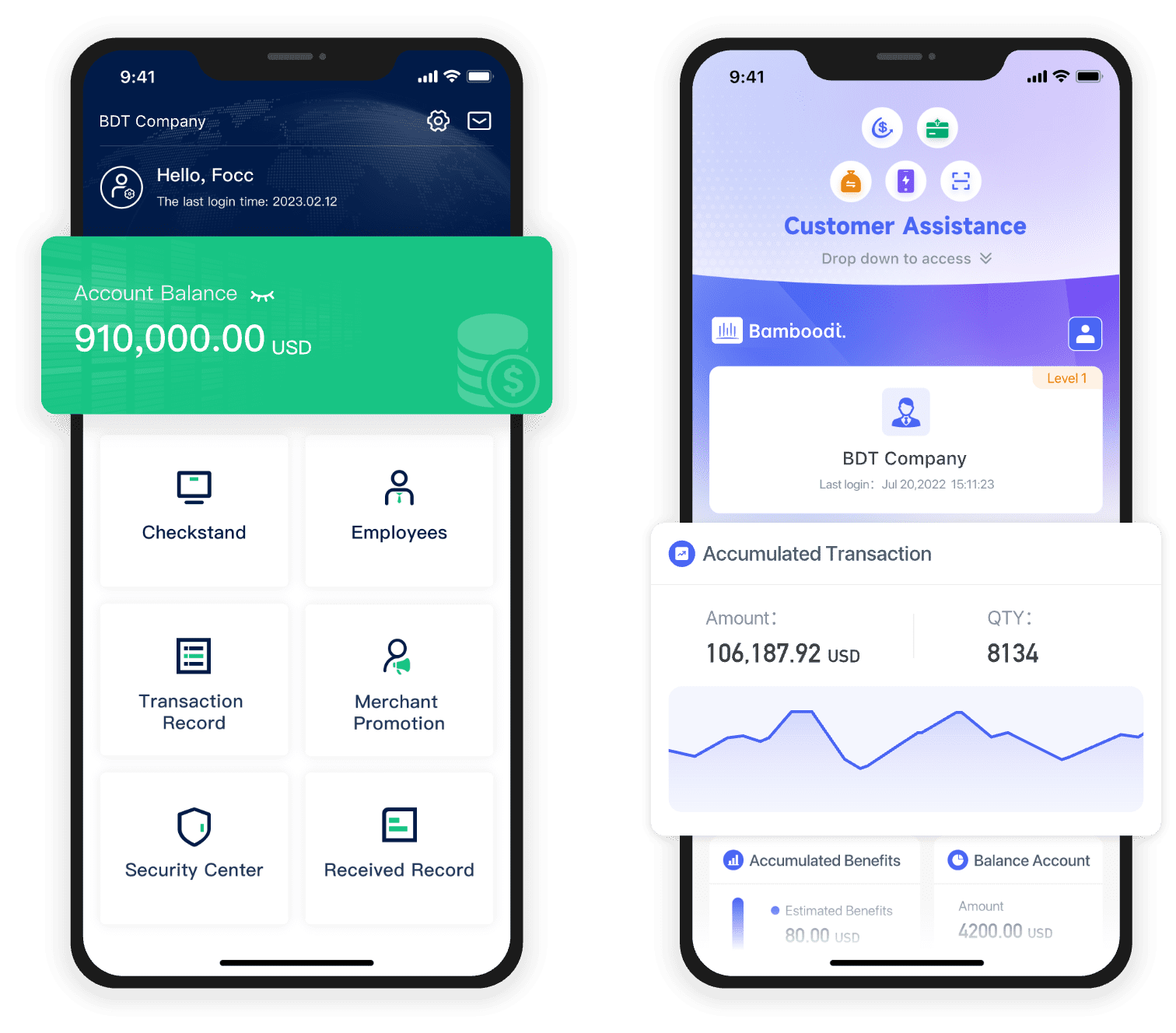
A well-designed e-wallet should enable users to track their spending, displaying a comprehensive transaction history that can be filtered for better financial management.
Security Features
Given the financial nature of e-wallets, robust security measures are critical. Implementing features like biometric login (fingerprint or facial recognition), end-to-end encryption, and secure payment gateways can build trust among users.
Peer-to-Peer Transactions
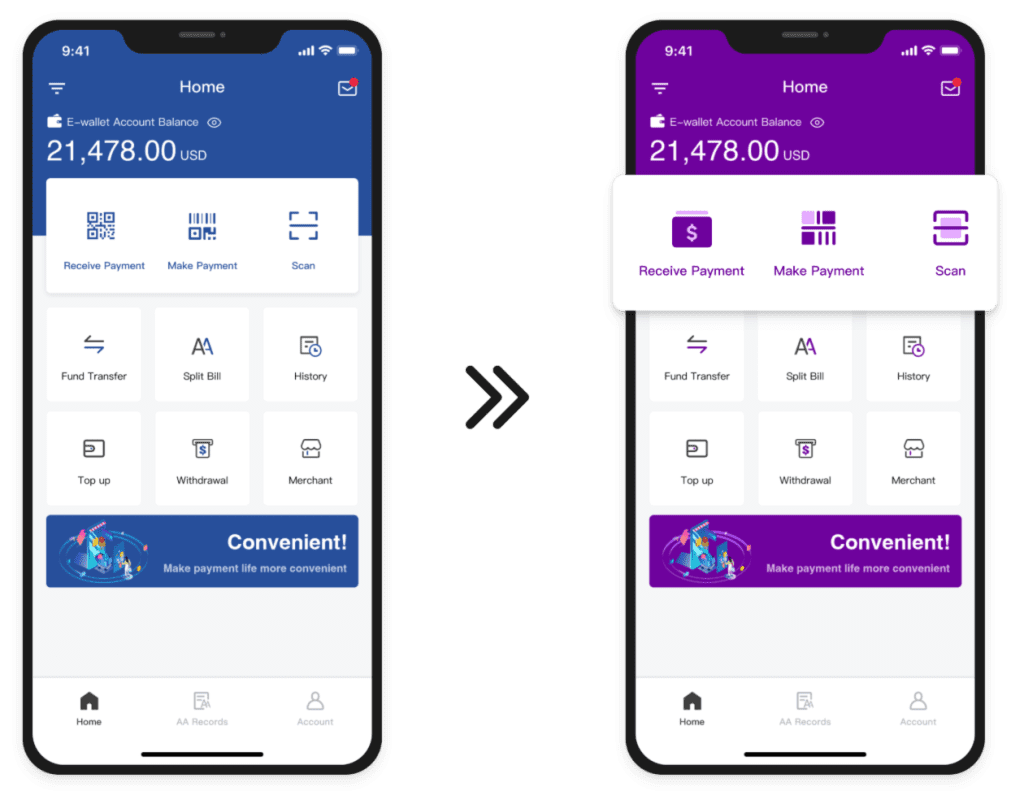
The ability to send money quickly to friends and family is a prominent feature in e-wallets. This feature should prioritize simplicity, allowing users to transfer funds using phone numbers or QR codes.
Rewards and Loyalty Programs
Incorporating rewards and loyalty programs into the app can encourage user engagement, incentivizing users to choose your e-wallet over others. This could include points for transactions, cashback offers, or discounts at partner merchants.
Steps to Develop an E-Wallet App
The process of developing an e-wallet app involves several stages, including:
1. Research & Planning
Understanding user needs, market trends, and competition is the first step. Conducting surveys and interviews can provide insights into what potential users expect from an e-wallet app.
2. UI/UX Design
Creating an engaging user interface and ensuring user-friendly navigation is essential for retaining users. Visual appeal combined with intuitive design can significantly enhance user satisfaction.
3. Development
This phase encompasses developing the app’s front-end and back-end components. Choosing the right technology stack is critical to ensure scalability and optimization.
4. Integration of Payment Gateways
Integrating secure payment gateways is crucial for processing transactions. Choose reliable partners to ensure transactions are executed smoothly and securely.
5. Testing
Conduct rigorous testing for functionality, security, and performance. Fix any bugs or vulnerabilities to deliver a stable product. Testing should encompass various user scenarios to ensure the app’s reliability.
6. Launch
Once testing is complete, plan the launch strategically. Utilize marketing strategies to promote the app and attract users. Consider promotional offers to encourage initial downloads.
The Future of E-Wallets
The outlook for e-wallet applications is promising. As technology advances, we can expect to see even more innovative features such as AI-driven financial management tools, enhanced security protocols with biometric technologies, and seamless integration into everyday life, whether through wearables or IoT devices.
Moreover, the increasing interest in cryptocurrencies is likely to shape the evolution of e-wallets, making cryptocurrency transactions more common within these platforms.
In conclusion, e-wallet applications have revolutionized how we manage transactions, offering unparalleled convenience and security. Featuring cutting-edge technology and enhanced user experiences, e-wallet solutions are set to become an integral part of our financial ecosystems. As businesses recognize the value of digital wallets, the development of mobile apps will continue to accelerate, promising a transformative future for financial transactions.