Revolutionizing Financial Transactions: The Future of E-Wallet Mobile App Development
The digital landscape has undergone remarkable transformations over the last decade, particularly in the realm of financial transactions. Traditionally reliant on cash and physical banking infrastructure, consumers are now shifting towards more modern, efficient, and secure ways to manage their finances. Enter e-wallet mobile apps—an essential component in the evolution of personal finance management. This article delves deep into the intricacies of e-wallet mobile app development, its features, market trends, and the technology driving this competitive sector.
Understanding E-Wallets: A Brief Overview
An e-wallet, or digital wallet, is an electronic version of a physical wallet that allows users to store funds, track their balances, and make transactions, both online and offline. With the growing adoption of smartphones, e-wallets have become a convenient solution to make purchases, transfer money, and manage financial tasks swiftly and securely. The e-wallet market is thriving, fueled by the need for cashless solutions and contactless payment options, especially after the COVID-19 pandemic.
Key Features of E-Wallet Mobile Apps
When developing an e-wallet mobile app, several critical features must be integrated to meet user expectations and ensure a seamless experience:
- User Authentication: Security is paramount in financial transactions. Implementing multiple layers of authentication (biometric login, two-factor authentication) ensures that user data remains protected.
- Payment Integration: The app should support various payment methods, including credit/debit cards, bank transfers, and cryptocurrencies. A diverse payment array broadens user accessibility.
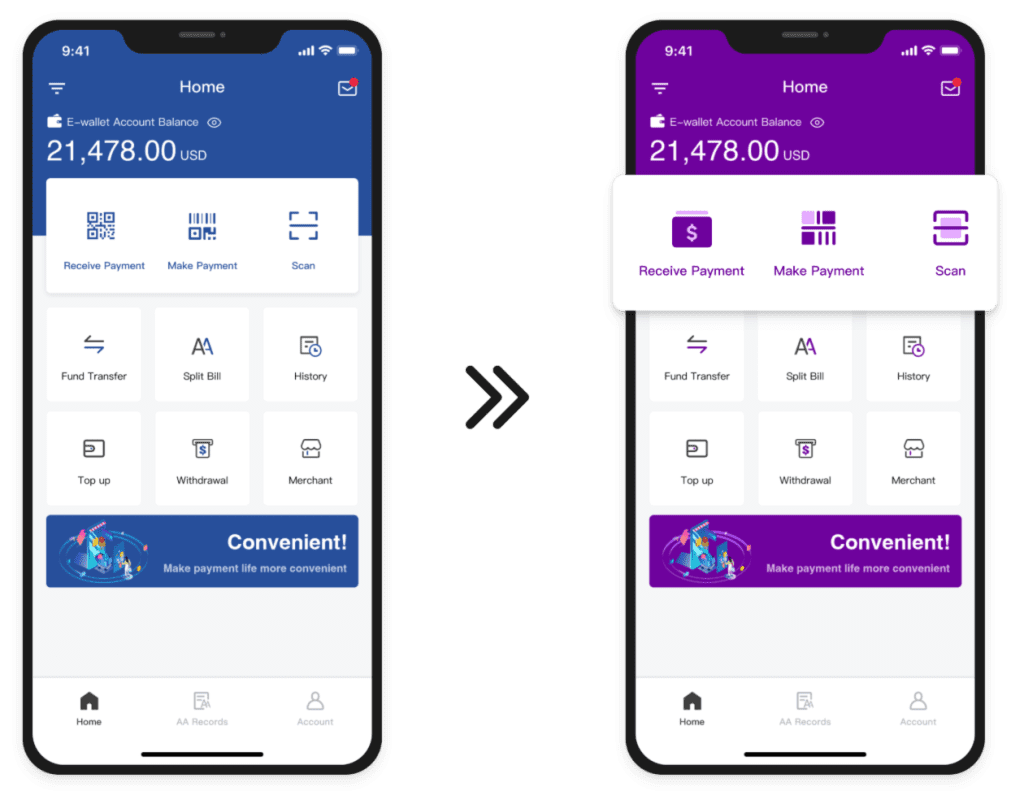
- User-Friendly Interface: An intuitive design is crucial. Users should easily navigate through the app without confusion, encouraging regular usage.
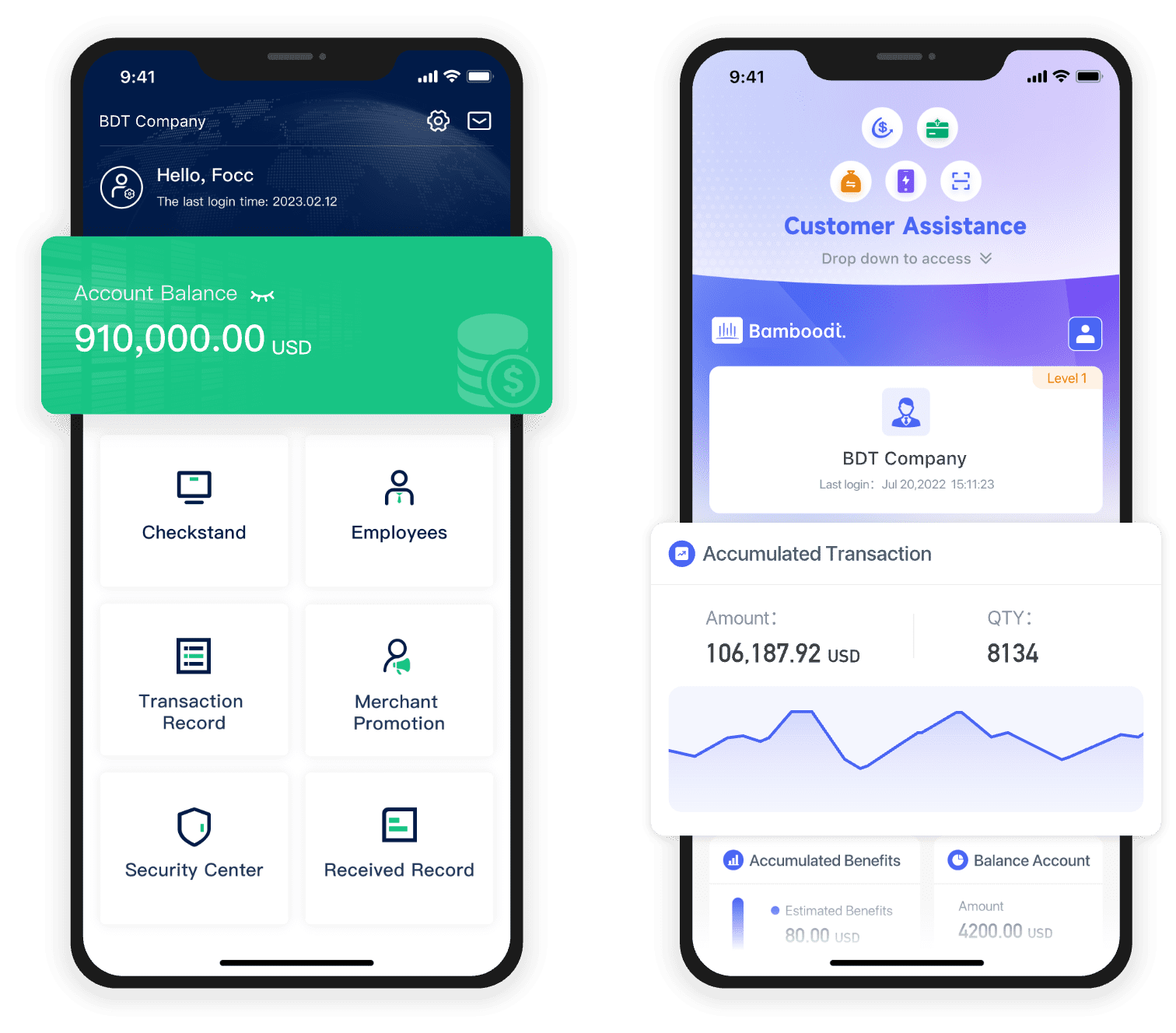
- Transaction History: Providing users with a detailed breakdown of their transaction history promotes transparency and helps manage finances more efficiently.
- Rewards and Offers: Implementing rewards programs or cashback offers can significantly enhance user engagement and loyalty, making users feel valued.
The Role of Technology in E-Wallet Development
The backbone of any robust e-wallet application lies in the technology powering it. Here are some of the key technologies and frameworks utilized in e-wallet mobile app development:
1. Blockchain Technology
Blockchain technology has revolutionized how transactions are processed and verified. By using decentralized networks, it enhances security and prevents fraud. E-wallets that incorporate blockchain can offer transparency, faster transactions, and reduced fees.
2. Artificial Intelligence (AI)
AI can personalize the user experience by analyzing transaction histories and providing insights for better money management. Additionally, AI algorithms can enhance fraud detection systems by identifying unusual patterns and flagging suspicious activities.
3. Cloud Computing
Cloud services allow e-wallets to offer seamless scalability and data storage solutions. It ensures that users can access their wallets anytime, anywhere, while also providing secure storage for sensitive information.
Market Trends in E-Wallet Development
The demand for e-wallet applications has surged globally. Recent trends shape the future of e-wallet development:
1. Integration with E-commerce Platforms
As online shopping grows, e-wallets are increasingly being integrated with e-commerce platforms to simplify checkout processes and enhance user experiences. Accepting e-wallet payments has become a necessity for businesses looking to cater to a tech-savvy clientele.
2. Contactless Payments
The rise of NFC (Near Field Communication) technology has enabled users to make contactless payments using their mobile devices. This trend has gained traction in various sectors, including retail and public transport, fostering a cashless economy.
3. Increased Focus on Security
With the increase in cyber threats, e-wallet developers prioritize top-notch security features. The implementation of end-to-end encryption, biometric authentication, and tokenization are becoming standard practices in order to maintain consumer trust.
Challenges in E-Wallet Development
Despite the booming market, e-wallet developers face several challenges:
1. Regulatory Compliance
E-wallet applications must comply with various regulatory requirements to ensure safe transactions. Factors such as KYC (Know Your Customer) and AML (Anti-Money Laundering) add a layer of complexity to the development process.
2. Competition
The market for e-wallets is extremely competitive, with several major players vying for user attention. New developers must carve their niche by offering unique features and superior user experience to stand out.
3. User Adoption
Convincing users to switch from traditional banking methods to digital wallets can be challenging. Developers need effective marketing strategies and educational content to help potential customers understand the benefits of using an e-wallet.
Future Prospects of E-Wallet Mobile Apps
The future of e-wallet mobile application development looks promising. As technology continues to advance, we can expect to see more innovative features being integrated into e-wallets, from advanced AI functionalities to deeper integration with IoT devices.
With the global shift towards digitalization and an increase in smartphone penetration, the e-wallet market will continue to expand, creating vast opportunities for developers and businesses alike. Staying ahead of the trends, maintaining security, and focusing on user-centric design are pivotal to building successful e-wallet applications that not only meet the demands of today’s consumers but also establish themselves for future success.