Comprehensive Guide to E-Wallet Web App Development
The digital revolution is reshaping the financial landscape, with e-wallets becoming an integral aspect of today’s monetary transactions. As consumers increasingly demand convenient and secure payment solutions, the demand for e-wallet web app development continues to grow at an exponential rate. This article aims to guide you through the complexities of developing a robust e-wallet web application, discussing essential features, technologies, security practices, and trends that will empower your project.
Understanding E-Wallets
An e-wallet, or digital wallet, is a software application that allows users to store financial data and make electronic transactions. Unlike traditional wallets that hold cash or cards, e-wallets are entirely virtual, offering users the ability to conduct transactions over the internet. They can be linked to bank accounts, credit cards, or even cryptocurrencies, providing flexibility in payment methods.
The Importance of E-Wallets
With the growing preference for cashless transactions, e-wallets have revolutionized how consumers handle their finances. Here are several reasons why e-wallets are essential:
- Convenience: E-wallets eliminate the need for carrying cash or cards. Users can make payments easily by simply tapping their smartphones.
- Speed: Transactions are completed within seconds, significantly reducing the time spent in queues.
- Tracking Expenses: Users can track their spending directly within the app, giving them better financial visibility.
- Security: With encryption protocols and biometric authentication, e-wallets offer enhanced security features that safeguard users’ financial information.
Key Features of an E-Wallet Web App
When developing an e-wallet web application, certain features are crucial for both functionality and user experience:
User Registration and Authentication
Allow users to create personal accounts through a secure registration process. Implement two-factor authentication (2FA) to enhance security and trust.
Linking Multiple Payment Methods
Users should be able to link various payment options, including debit/credit cards, bank accounts, and cryptocurrency wallets, to their e-wallet.
Transaction History
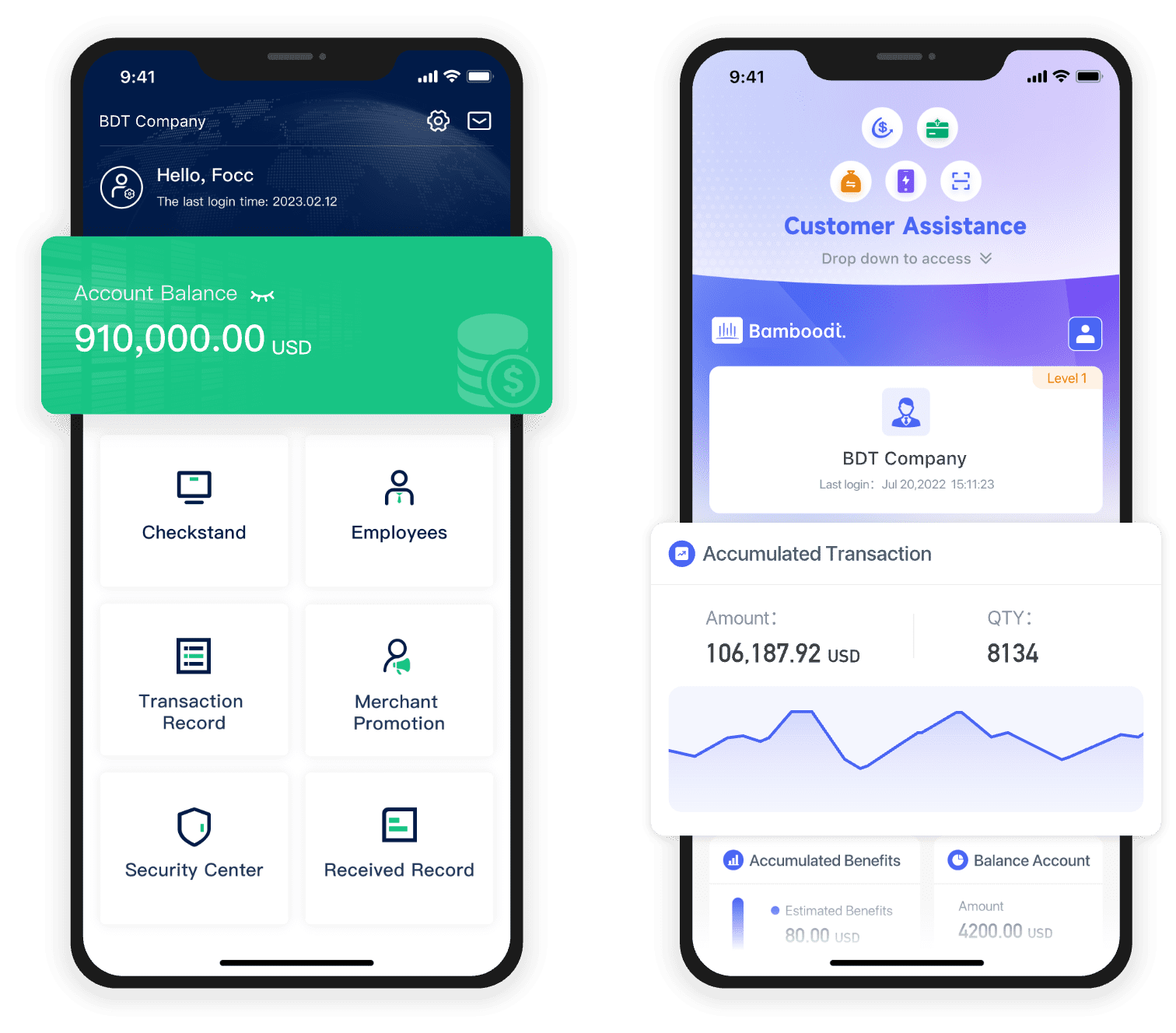
Provide users with a detailed transaction history, allowing them to track their expenses and manage finances effectively.
Instant Transfers
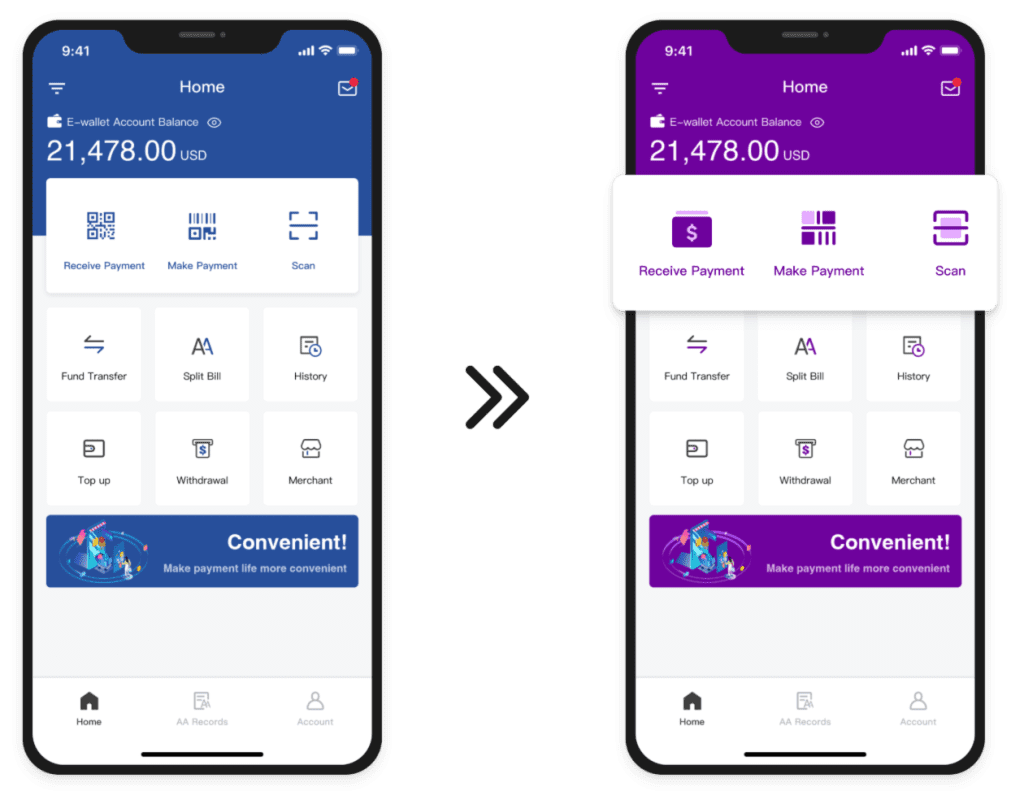
Implement a feature for instant money transfers between users, which increases the usability of the app for peer-to-peer transactions.
Merchant Features
Integration with merchants is essential for e-wallets. Offering discounts, loyalty rewards, and cashback can attract more users.
Security Measures
Incorporating advanced security measures such as end-to-end encryption, biometric authentication (fingerprint or facial recognition), and real-time monitoring for suspicious activities is paramount.
Technologies for Developing E-Wallets
Choosing the right technology stack is critical when developing an e-wallet web application. Here are some popular technologies to consider:
- Frontend: Use technologies like React, Angular, or Vue.js for a dynamic and responsive user interface.
- Backend: Implement Node.js or Django to handle server-side operations efficiently.
- Database: MySQL or MongoDB can be effective choices for managing user data and transaction records.
- Payment Gateways: Integrate with reliable payment gateways (like Stripe or PayPal) to facilitate secure transactions.
- Cloud Services: Platforms like AWS or Google Cloud can enhance scalability and performance.
Security Practices in E-Wallet Development
In the realm of digital finance, security is non-negotiable. Here are security best practices that must be incorporated:
- Data Encryption: All sensitive information should be encrypted both in-transit and at rest.
- Secure API Connections: Use SSL certificates to secure data transfer between servers and clients.
- Regular Security Audits: Frequently perform security assessments and penetration tests to identify vulnerabilities.
- Compliance: Adhere to regulatory compliance standards such as PCI DSS to ensure the safe handling of payment information.
Trends in E-Wallet Development
The digital wallet landscape is rapidly evolving. Here are some trends to watch for:
- AI and Machine Learning: Implementing AI for fraud detection and personalized user experiences is becoming increasingly common.
- Cryptocurrency Integration: As cryptocurrencies gain traction, integrating crypto wallets can enhance functionality.
- Contactless Payments: The rise of NFC technology allows users to make payments by simply tapping their devices.
- Blockchain Technology: Utilizing blockchain for transaction security and transparency is a growing trend.
The Future of E-Wallets
As technology continues to advance, the future of e-wallets appears promising. The integration of innovative technologies and a focus on user experience will drive the evolution of digital wallets. Staying ahead of trends and making informed decisions in your e-wallet web app development can significantly enhance user satisfaction and retention, paving the way for a successful venture within the bustling financial technology landscape.